Uncategorized
 YOUR MEMORY, MY MEMORY
The human brain has two halves, or hemispheres: the left
and the right. It is now commonly accepted and understood
that the left hemisphere governs activity in the right side of
the body and the right hemisphere governs activity in the left
side of the body. This may explain why tests show that I am
right-brain dominant: I’m a left-hander at most activities. I
write and throw with my left hand and I kick a ball with my
left foot (and I was my school soccer team’s left winger).
But exactly how do the hemispheres of the brain work and
is it as simple as all that?

Uncategorized
 Our Great Master Shakyamuni once said in verse:
The threefold world is simply our one, whole Mind,
For there is nothing apart from the Mind.
Our mind, Buddha, and all sentient beings—
These three are indistinguishable from each other.
Uncategorized
 Introduction
Dust as we are, the immortal spirit grows
Like harmony in music; there is a dark
Inscrutable workmanship that reconciles
Discordant elements, makes them cling together
In one society.
William Wordsworth
The importance of creative thinking today needs no
emphasis. In your profession or sphere of work you will have
a competitive advantage if you develop your ability to come
up with new ideas. In your personal life, too, creative
thinking can lead you into new paths of creative activity. It
can enrich your life – though not always in the way you
expect.
KEYPOINTS
� With creativity we start with what already exists.
� We recognize creativity where the artist or thinker of
genius has transformed the materials at hand into a new
creation of enduring value.
� ‘He is most original who adapts from the most sources’, as
the saying goes. You will be creative when you start
seeing or making connections between ideas that appear
to others to be far apart: the wider the apparent distance
the greater the degree of creative thinking involved.
� Creativity is the faculty of mind and spirit that enables us
to bring into existence, ostensibly out of nothing, something
of use, order, beauty or significance.
No matter how old you get, if you can keep the desire to be
creative, you’re keeping the child in you alive.
Anon
CLICK HERE TO DOWNLOAD
[download id=”3″]

Uncategorized
Businesses make hundreds or thousands of decisions every year, many of which seem inconsequential. But the smallest details can have business-changing or even business-ending consequences. Here are 11 of my favorites to watch out for:
1. The lowly extension cord. People get cold feet. They get a space heater. They plug it into a two-pronged extension cord. They forget to unplug it when they leave work. That night, while you are sleeping, your entire business burns down. Your brilliant marketing plan, your three-year projections, all of your records, your new product samples.. You get the idea. This is not something that most business owners think about, but insurance companies know that extension cords and space heaters are major fire hazards. It is good practice not to allow any extension cords in your business that aren’t three-pronged.
2. Bad receivables. Let’s assume that you are using good judgment as to which customers get credit and how much. Even so, it is very easy to get into a business-life-threatening situation because of a big customer that goes broke. Months before the bankruptcy filing, the following statements will be made to you: “I’m not going anywhere. We’ve been short on cash before, and we always come out of it. You have my personal word.” And you will respond: “We’ve been doing business together for 30 years. I’m not worried about it.” Bad things happen to good people. Good and honest intentions do not always result in getting paid. It is very painful and difficult to cut off an old customer, especially when you need the business. But many companies go broke because of bad receivables.
3. Interviewing. It is both art and science. Like a bad science experiment, it can cause explosions. Having someone who hasn’t been properly trained interview prospective employees is a recipe for disaster. There are many questions that you cannot ask without risking a nasty lawsuit that will cost plenty of time and money.
4. Hiring without doing background checks. There are some bad people out there looking for jobs. Even with a background check, there is no guarantee that you won’t have a problem, but it will certainly improve the odds.
5. Vehicles. They are rolling liabilities. Allowing someone who is not insured properly through the company to drive one can have disastrous results if there is an accident. You will be seen as having “deep pockets” — even if your pockets are empty.
6. Vehicles, again! With the demise of the full-service gas station and longer intervals between oil changes, many people are driving around on under-inflated tires, which are much less noticeable since the advent of the radial tire. Under-inflated tires are more likely to cause a blowout, which can result in very bad things. We check all of our vehicles once a month.
7. And again! Texting while driving is the new drunk driving. Do not allow it.
8. Insurance. I asked my insurance broker what the three biggest small-business insurance failings were. His response: 1) understating insurance to value; 2) not having employment-practices insurance; 3) not having business-income replacement coverage to replace lost revenue until the company is up and running again. It is no secret that the insurance companies are in a much bigger hurry to settle a claim when they are paying out money every week to replace that income.
9. The wrong accountant. Many accountants just do tax returns and are not qualified to act as an outside voice and keep an eye on the health of the company. I have seen more than one company fail because the owners didn’t know what they didn’t know.
10. Bad controls. Many companies have gone broke because of theft or embezzlement. Your accountant should help you set up these systems.
11. Bad company policies. I was just in a spa. There was a sign posted that said that tips must be paid in cash. I asked why. (Apparently, they get asked about this a lot.) The receptionist explained that the employees didn’t necessarily claim all of the tips and the company did, so there could be a discrepancy if either got audited. Not a great story. I am sure that some customers — 5 percent? 20 percent? — will either find it inconvenient to use cash or will resent supporting tax evasion. If I am right and they lose customers, the spa will undoubtedly blame the losses on competition or the economy.
An ounce of prevention is worth a pound of cure. Benjamin Franklin was a good businessman.

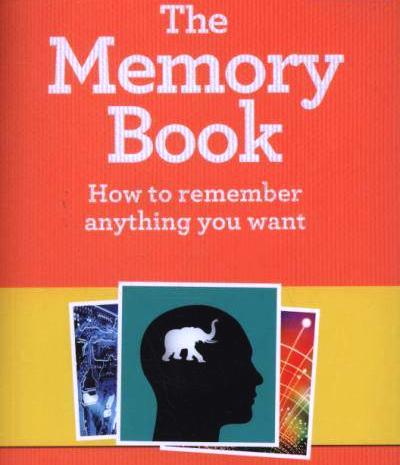 YOUR MEMORY, MY MEMORY