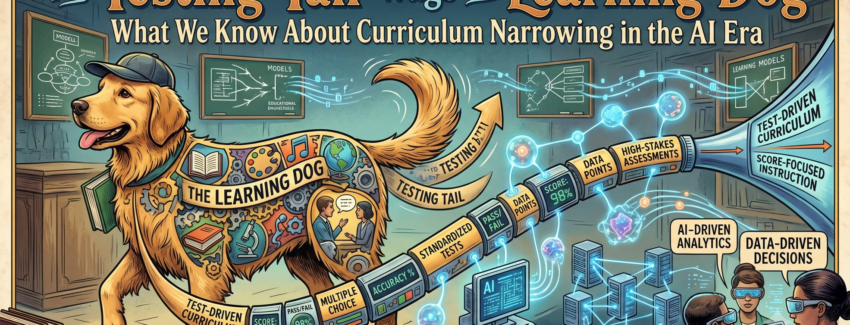
There’s a well-documented phenomenon in education: when stakes attach to test scores, curriculum narrows. Schools teach to the test. Subject areas not on the test—arts, social studies, sciences beyond what’s assessed—lose instructional time. Teachers focus on measurable skills. Deeper, messier, less-testable forms of learning get compressed. This is old news. What’s new is the feedback […]
instructional design
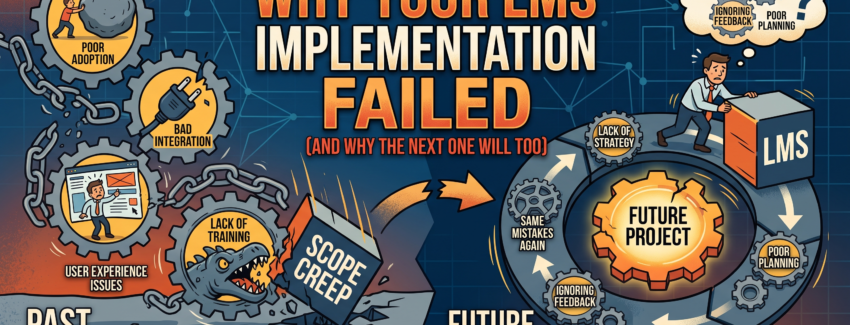
Your institution just wrapped a $400,000 LMS migration. The vendor promised integration. The implementation partner promised change management. The steering committee promised adoption. Six months in, teachers are uploading PDFs to a digital filing cabinet and students are still emailing assignments to their instructors. The platform is failing. Or so the story goes. The platform […]
Why Your LMS Implementation Failed (And Why the Next One Will Too) Read Post »
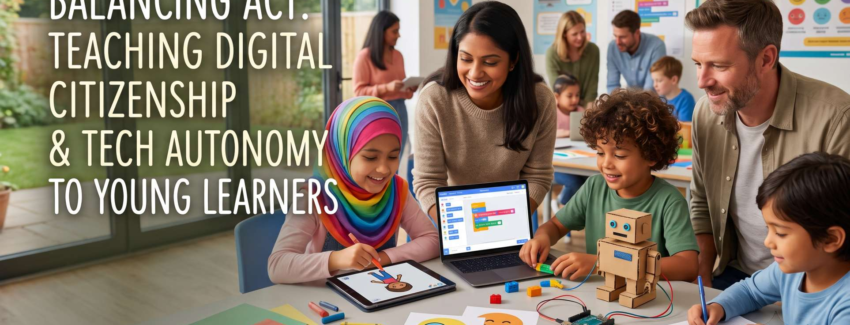
A practical guide for parents and educators navigating the gap between screen time anxiety and digital fluency There is a particular kind of parental guilt that has emerged in the last decade, one that didn’t exist for previous generations: the guilt of not knowing whether the tablet in your child’s hands is a Trojan horse […]
Balancing Act: Teaching Digital Citizenship and Tech Autonomy to Young Learners Read Post »
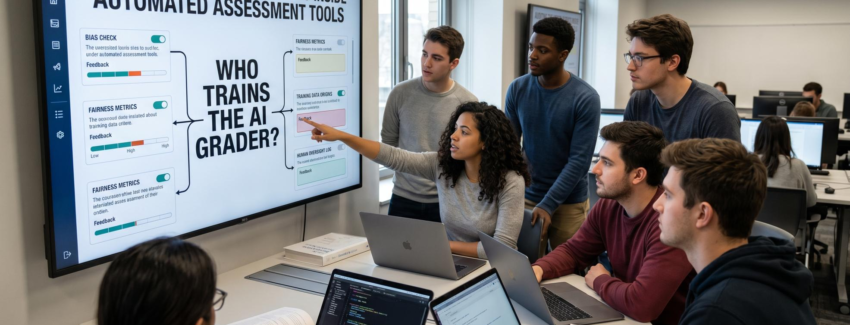
WHO TRAINS THE AI GRADER? AUDITING THE HIDDEN RUBRICS INSIDE AUTOMATED ASSESSMENT TOOLS Automated grading tools are marketed on consistency and speed, and on both counts they often deliver. What they rarely deliver is transparency about what they’re actually rewarding, and that gap is becoming a real institutional liability as these tools move from grading […]
WHO TRAINS THE AI GRADER? AUDITING THE HIDDEN RUBRICS INSIDE AUTOMATED ASSESSMENT TOOLS Read Post »
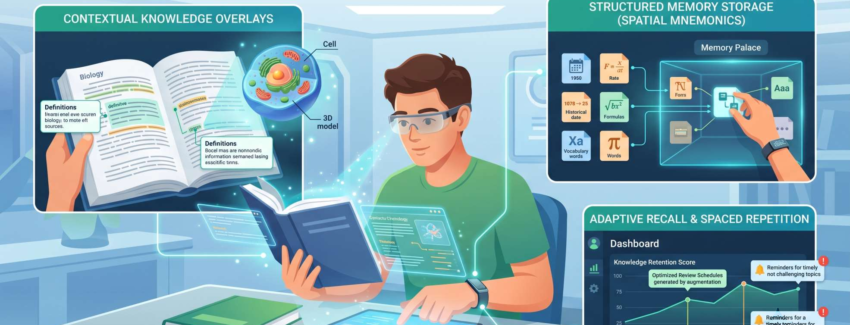
Memory Augmentation as a Learning Tool Futures of Learning · Issue 04 Memory Augmentation as a Learning Tool Spatial computing, AR overlays, and ambient AI are beginning to blur the line between remembering and looking up. What does this do to how we define — and develop — mastery? Saif Ullah Khalid · saifullahkhalid.com · […]
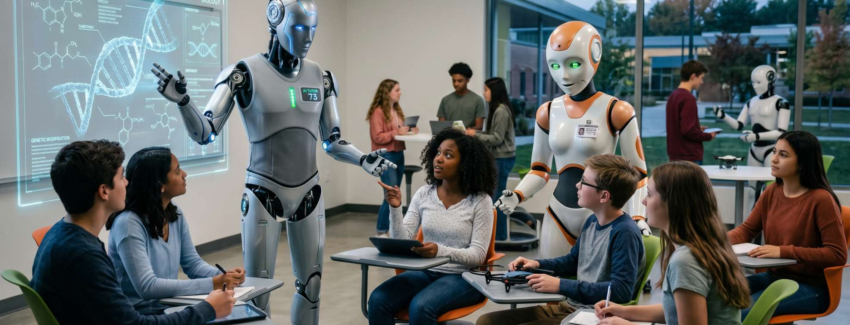
Synthetic Teachers Not AI as classroom assistant. Not AI as tutoring supplement. AI as the primary instructor — holding authority, building rapport, and teaching a generation of students who may never know the difference. The question has been asked quietly, in faculty meetings and think pieces, for a decade: could an AI replace a teacher? […]
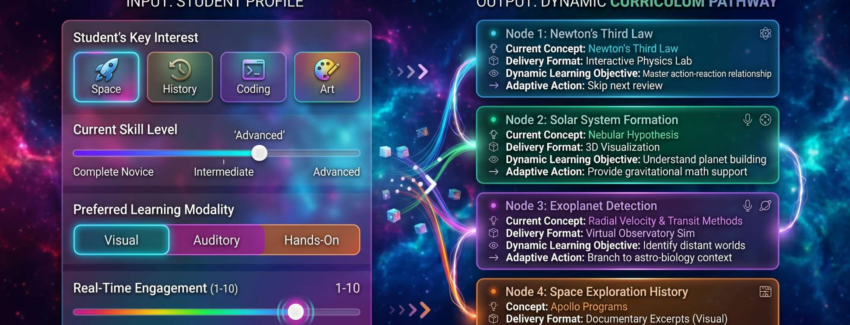
Futures of Learning · EdTech Analysis The End of the Syllabus What happens when artificial intelligence builds every student’s curriculum in real time — and who decides what gets learned? Saif Ullah Khalid · saifullahkhalid.com · June 2026 For centuries, the syllabus has been education’s quiet contract. It tells students what they will learn, […]
The End of the Syllabus — AI-built real-time curricula Read Post »
Institutions spend millions selecting and deploying learning management systems. But somewhere between the vendor demo and the daily classroom, the investment quietly stops working — and teachers quietly work around it. “These systems were built for the people who buy them — not the people who use them.” Feedback workflows built for admin, not teaching […]
What Teachers Actually Need from Their LMS (And Aren’t Getting) Read Post »
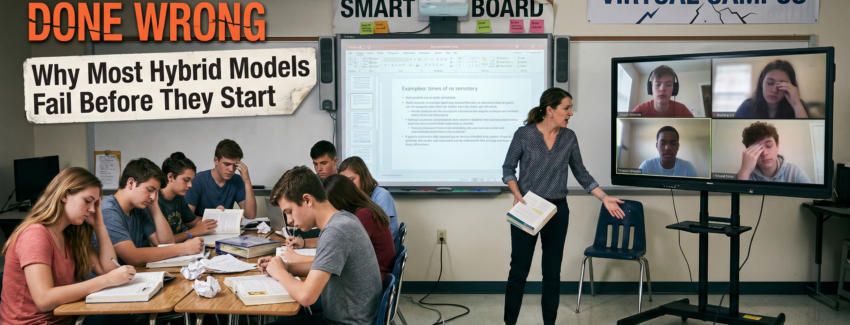
There is a version of blended learning that works. It is thoughtful, evidence-based, and designed around what students actually need. And then there is the version most institutions implement — a patchwork of in-person sessions bolted onto digital tools, held together by optimism and procurement budgets. The second version is far more common. Blended learning […]
Blended Learning Done Wrong: Why Most Hybrid Models Fail Before They Start Read Post »
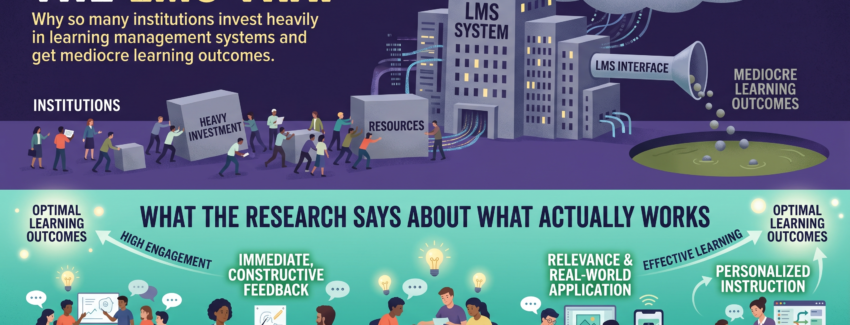
The LMS Trap: Why Institutions Spend Millions on Learning Platforms and Get Mediocre Results Every few years, a university or school district announces a major investment in a new learning management system. There are demos, committee approvals, migration timelines, and professional development sessions. Administrators speak about transformation. Teachers are trained. Students are onboarded. And then, […]