|
Getting your Trinity Audio player ready...
|
The Future of K–12 Education: 5, 10, 15 Years and Beyond
From Institutions to Learning Ecosystems
Education is transitioning from content delivery to capability development.
Next 5 Years (2025–2030): The AI Integration Phase
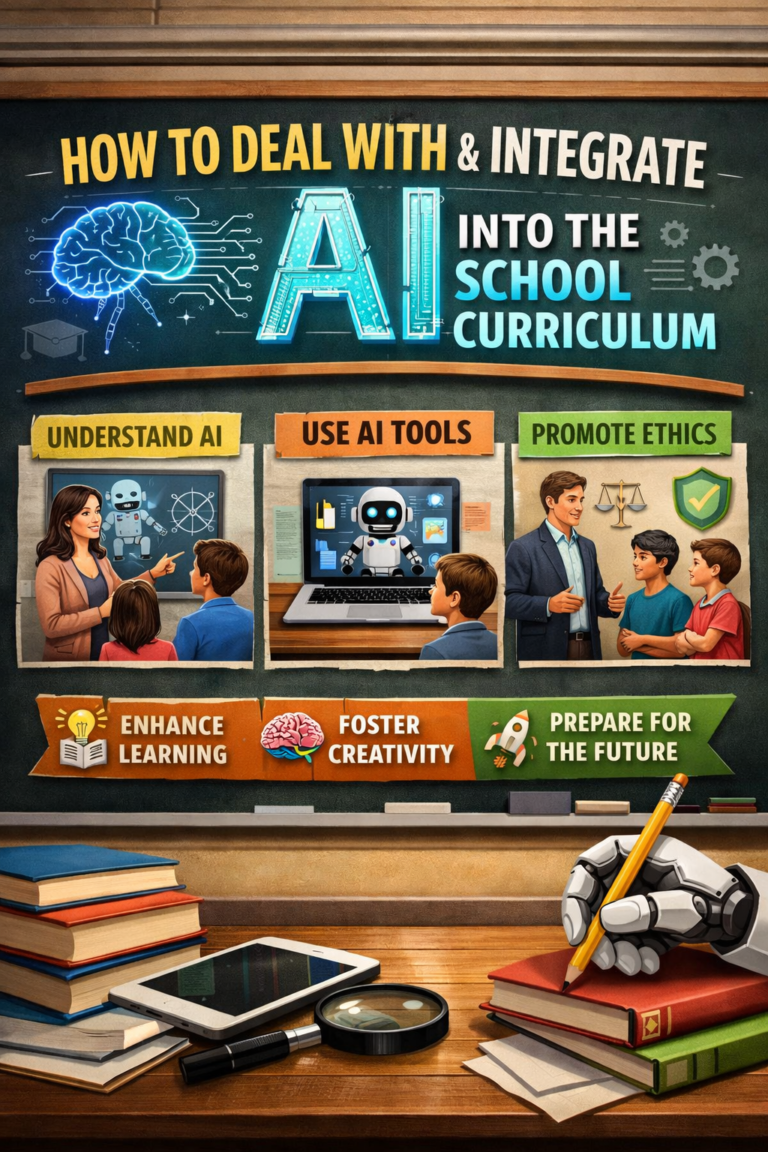
- AI becomes a daily classroom assistant
- Automated grading and feedback normalize
- Hybrid learning models dominate
- Teachers shift to facilitators and mentors
- Digital portfolios replace report cards
Schools that delay AI integration will face relevance gaps, not just skill gaps.
Next 10 Years (2030–2035): The Skill-Centric Era
- Curriculum reorganized around skills, not subjects
- Micro-credentials embedded into schooling
- VR and simulation labs replace traditional labs
- Emotional intelligence and adaptability assessed formally
- AI tutors provide 24/7 learning support
Schools become learning experience centers, not buildings.
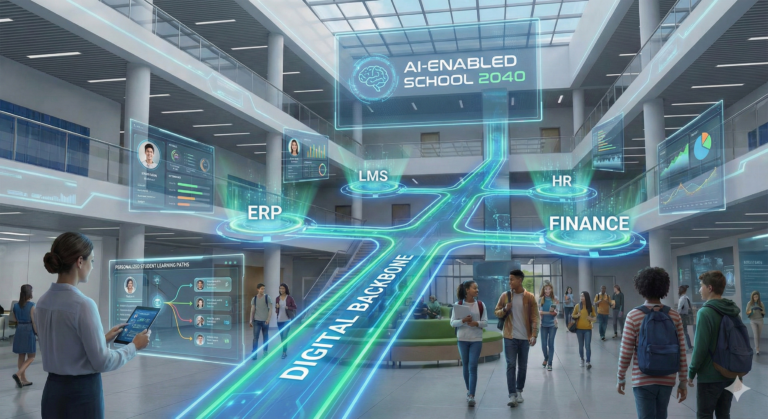
Next 15 Years (2035–2040): Personalized Education at Scale
- Each student follows a unique learning pathway
- Graduation is competency-based, not age-based
- Teachers act as learning architects
- Schools merge with higher education and industry
- AI predicts learning needs before failure occurs
The concept of a “standard classroom” disappears.
Key Takeaway
The future of education is adaptive, intelligent, and human-centered. Systems that resist this evolution will not collapse—but they will slowly become irrelevant.