
cyber security, encryption, quantium computing, security
You know that padlock icon in your browser? The one that makes you feel safe when you’re shopping online or accessing your bank account? I need to tell you something that might keep you up at night: there are organizations right now harvesting and storing your encrypted data, waiting patiently for the day they can crack it open like a time capsule.
Welcome to the world of “Harvest Now, Decrypt Later.”
The Quantum Threat Nobody’s Talking About Enough
As IT professionals, we’ve built our entire digital security infrastructure on a mathematical promise: certain problems are just too hard for computers to solve in any reasonable timeframe. RSA encryption, for instance, relies on the fact that factoring large prime numbers would take classical computers thousands of years.
But here’s the plot twist: quantum computers don’t play by those rules.
A sufficiently powerful quantum computer running Shor’s algorithm could crack RSA-2048 encryption in hours, maybe minutes. And while we don’t have that quantum computer yet, experts estimate it could arrive within the next 10-15 years. Some say sooner.
The Harvesting Has Already Begun
This is where it gets genuinely unsettling. Nation-states and sophisticated threat actors are already intercepting and storing encrypted communications at massive scale. They can’t read it today, but they’re banking on quantum computers to unlock these archives tomorrow.
Think about what you’ve encrypted and transmitted over the past few years:
Medical records
Financial transactions
Proprietary business communications
Government secrets
Personal messages you assumed would stay private
All of it sitting in digital warehouses, waiting for Q-Day.
What This Means for Your Infrastructure
If you’re managing IT systems, here’s your wake-up call: data encrypted today with current standards could be exposed in 10 years. But some of that data needs to stay confidential for 20, 30, or even 50 years.
Healthcare records. Legal documents. State secrets. Your company’s IP.
The math is brutal: Your encryption has an expiration date, but your data doesn’t.
The Silver Lining: Post-Quantum Cryptography
Before you spiral into existential dread, there’s good news. The cryptography community saw this coming and has been working on “post-quantum cryptography” (PQC) – algorithms that even quantum computers can’t break.
In 2024, NIST finalized its first set of post-quantum cryptographic standards. These algorithms are based on mathematical problems that remain hard even for quantum computers – things like lattice-based cryptography and hash-based signatures.
The race is now on to implement these standards before quantum computers become a reality.
What You Should Be Doing Right Now
Here’s my practical advice as someone who lives in the trenches of IT security:
Start Planning Your Migration: You don’t need to panic, but you do need a plan. Inventory your systems, identify what needs long-term confidentiality, and map out a timeline for transitioning to PQC algorithms.
Implement Crypto-Agility: Design your systems so you can swap out cryptographic algorithms without rebuilding everything. Think of it as future-proofing through modularity.
Hybrid Approaches: Use both classical and post-quantum algorithms together. It’s like wearing both a seatbelt and having airbags – defense in depth matters.
Prioritize High-Value Targets: Not everything needs quantum-resistant encryption immediately. Focus first on data with long confidentiality requirements or high strategic value.
Stay Informed: This field is evolving rapidly. What’s cutting-edge today might be deprecated tomorrow. Subscribe to NIST updates, follow cryptography researchers, and keep your finger on the pulse.
The Bigger Picture
This quantum threat represents something rare in technology: a known, inevitable disruption that we can actually prepare for. We’re not scrambling after a zero-day exploit or responding to a breach. We have advanced warning.
The question is whether we’ll use it wisely.
As IT professionals, we’re the guardians of the digital realm. We build the locks that protect everything from personal photos to national security secrets. And right now, we’re in a unique moment where we know those locks are going to be picked, but we have time to install better ones.
Final Thoughts
The encryption apocalypse sounds dramatic, and maybe it is. But unlike Hollywood disasters, this one comes with a roadmap for survival. Post-quantum cryptography isn’t just theoretical – it’s here, it’s standardized, and it’s ready for deployment.
The organizations that take this seriously now will be secure in the quantum future. The ones that don’t? They’ll be explaining to their boards why decades-old communications just got leaked.
Time to start treating quantum computing not as some distant sci-fi concept, but as an imminent threat to everything we’ve encrypted.
Because somewhere, in a data center you’ll never see, your encrypted data is already waiting on death row.
What’s your organization doing to prepare for the quantum threat? Are you building crypto-agility into your systems? Let’s discuss in the comments – I’d love to hear how other IT professionals are tackling this challenge.
Follow me for more insights on emerging security threats and practical strategies for staying ahead of the curve.
hope, shine
A Society That Forgot How to Celebrate
Is there a society where smiling is a crime? Where laughter must be stifled and joy viewed with suspicion? Unfortunately, this describes modern Pakistan—a nation that has transformed from a land of vibrant celebrations into one where gloom has become our default setting.
We weren’t always like this. The question haunts me: what happened to us?
When Punjab Knew How to Celebrate
I grew up in Punjab during an era when spring brought more than just flowers—it brought magic. In Kharyan, where I spent my early years on Gulyana Road near the cantonment, annual festivals transformed our streets into wonderlands. The legendary Bali Jatti and Alam Lohar would perform their theater. The Wall of Death motorcycle stunt show and Lucky Irani Circus drew crowds from across Gujrat district. Food stalls lined both sides of the road, their aromas mixing with the excitement in the air.
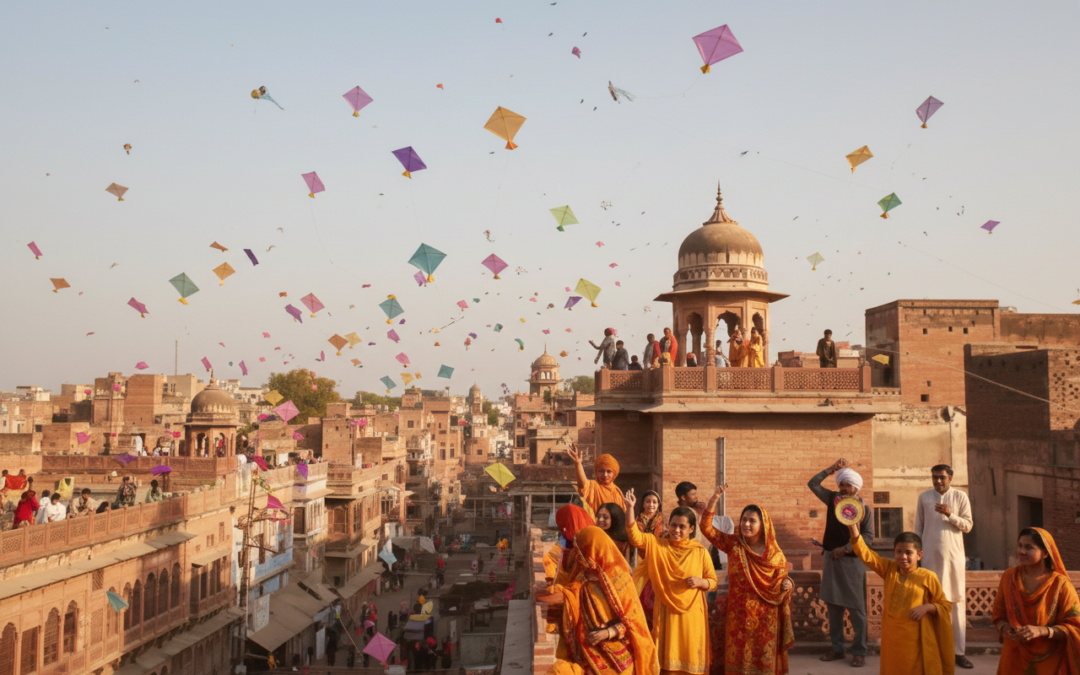
People waited all year for these festivals. Even the mullahs and madrassa students came to watch. Parents held their children’s hands as they wandered through the festivities, everyone dancing to the rhythm of the dhol drums. I watched the entire city fly kites throughout February, March, and April—the skies alive with color and competition. Boys ran through streets collecting fallen kites, their shouts of triumph echoing through neighborhoods.
Those were the days of dog races, wrestling matches, football and hockey games. We celebrated by throwing colors and water on each other. Communities organized mango, orange, watermelon, and berry-eating competitions. Twenty-day cycling exhibitions wound through towns. There were community feasts of haleem, communal iftars announced by drums, and street performances with dancing bears and monkeys.
But then something dark descended. The evil eye fell upon this nation, and we transformed into an abnormal society where weeping, hatred, contempt, and violence became our primary activities.
A Brief Window of Light
During General Pervez Musharraf’s era, there was an attempt to open up society again. Lahore’s world-famous Basant festival returned. But when Musharraf left, so did these precious traditions. We wasted the next 18 years wallowing in misery.
Then, finally, Maryam Nawaz revived Basant this year. After such a long drought, I witnessed people genuinely happy again. Visitors poured in from around the world. Twenty-three flights came from Karachi alone, filled with people coming just to celebrate Basant. 1.5 billion rupees worth of kite string and kites were sold. Lahore’s hotels ran out of rooms; even guesthouses and paying guest houses were completely booked.
Yes, the Islamabad suicide attack cast a shadow over the festivities. But despite that tragedy, Basant happened. It gave our parched people a moment of joy—and in an atmosphere thick with sadness, hatred, and violence, that moment was worth everything.
A Plea to Our Government: Give Us Back Our Celebrations
I have a humble request for our federal and provincial governments: please issue a national festival calendar for all of Pakistan.
The possibilities are endless:
Coastal Celebrations: From Karachi to Gwadar, dozens of seaside locations could host beach festivals and water sports events.
Urban Festivals: Karachi, our largest city, could host numerous cultural celebrations and activities throughout the year.
Religious Heritage: The shrines of our saints once hosted vibrant melas (fairs). They still do, but their glory has faded. Revive them with proper planning and safety.
Archaeological Wonders: Celebrate Mohenjo-daro and Harappa Day—invite people from across Pakistan to connect with our ancient civilization.
Regional Richness:
– Sukkur could host cultural festivals
– The Cholistan Desert Rally could expand beyond just cars
– Lahore’s Basant could grow even bigger
– Rawalpindi could showcase Pothohar region fairs
– Khyber Pakhtunkhwa has everything from the Shandur Polo Festival to Khattak Dance performances
– Taxila could celebrate Buddhist heritage
– The northern areas have their own magnificent festivals
– Chitral’s festivals once attracted visitors from around the world
– Balochi culture bursts with color and tradition
– Kashmiri cuisine and celebrations have their own unique flavor
What harm is there in celebration? Why has mourning become our national sport? Why do we insist on pushing people into their homes, away from joy and community?
The World Celebrates—Why Can’t We?
We’re not unique. People across the world live full lives and unite their nations through festivals:
– Spain has its tomato-throwing La Tomatina and the running of the bulls
– Argentina, despite economic crisis, hosts more activities than almost anywhere
– Cuba, where people queue for rations, still celebrates constantly
– Brazil, Chile, Colombia, and Venezuela’s carnivals draw millions from around the world
– Manchester leads the world in cultural and entertainment activities
– Central Asian countries celebrate Nowruz with fifteen-day holidays
– China has dozens of festivals celebrated by 1.5 billion people
– India’s religious festivals have become cultural celebrations that attract global tourism
And here we are—unable to tolerate even Basant, attacked by the enemies of happiness.
Fear God, Not Joy
Life is not meant to be torture, and Earth is not hell. Expand your hearts and let people breathe the air of happiness.
A Final Warning to Punjab Government
You’ve started the Basant tradition again—please keep it going. Don’t let next year bring another ban. Don’t send police to raid and arrest kite flyers again. If there’s one area where Pakistan should show policy continuity, let it be in allowing people to celebrate Basant.
The lesson is simple: Normal societies want their people to be happy, so they create small festivals and celebrations. We’ve become an abnormal society where happiness, laughter, and even smiling are treated as crimes.
We need to remember: happiness lives in small festivals, and people in every corner of the world search for it in these celebrations. It’s time Pakistan joined them again.

help, honest, hope, kids, kindness
A Story About the Butterfly Effect of Honesty
She stood anxiously in front of the shop, her hair disheveled and eyes red from sleeplessness. The shopkeeper unlocked his store and noticed her immediately—she seemed distressed, almost frantic.
The moment the shutters rolled up, she rushed to the counter. With a trembling hand, she pulled out a crumpled ten-rupee note from her clenched fist and placed it on the counter.
The shopkeeper glanced at the note, then at her. “What can I get you?”
Her voice cracked as she spoke. “I bought groceries from you yesterday. When you gave me the change, you accidentally gave me ten rupees extra. I’ve come to return your money.”
The Woman Who Couldn’t Sleep
The shopkeeper stared at the ten rupees on his counter, then back at the woman. She was middle-aged, clearly poor, yet educated. He smiled, puzzled.
“Sister, I’m confused. Yesterday you argued with me for half an hour trying to get a ten-rupee discount. But today you’re here to return ten rupees? I don’t understand you.”
The woman’s expression softened with a quiet dignity. “Asking for a discount, bargaining, getting the best price—that’s my right as a customer. But keeping money that doesn’t belong to me? That’s your right being violated. Taking someone else’s right is oppression, and this money would be haram for me.”
She paused, her eyes glistening. “My late husband made me promise something before he died: ‘Never feed our children haram.’ If children eat from unlawful earnings, they’ll walk unlawful paths. And both of us will answer for it.”
“I couldn’t keep these ten rupees and open the door of haram for my children. I actually came last night, but your shop was already closed. I couldn’t sleep the entire night. That’s why I’m here at dawn. Please, take your money back so I can have peace.”
The shopkeeper picked up the ten rupees, thanked her, and she left. He went about his day, but the encounter haunted him.
The Shopkeeper’s Sleepless Night
Allah has blessed this woman with such powerful faith, he thought to himself. While I cheat in my business transactions every single day. I’ve been feeding my children haram my entire life. What kind of wretch am I?
That night, the shopkeeper couldn’t sleep. He tossed and turned until dawn broke. Finally, he made a decision: he would become honest in his dealings.
He got up, pulled three hundred rupees from his pocket, and walked out of the house. His wife tried to stop him. “At least have breakfast!” she called after him, but he didn’t listen.
If that woman could come to my shop first thing in the morning without even washing her face over ten rupees, he thought, why can’t I?
He crossed three or four streets and knocked on a door. A well-fed, middle-aged man opened it and was shocked to see the shopkeeper standing there so early.
The shopkeeper pulled out three hundred-rupee notes and pressed them into the man’s hands. “Sir, I need to apologize. You came to my shop yesterday for groceries. I overcharged you by three hundred rupees.”
The Confession
“My staff overcharges customers by three or four hundred rupees every day,” the shopkeeper continued, his hands folded in apology. “If someone notices, we apologize and refund it. If they don’t, we keep it. I’ve been doing this for years. Ninety percent of my customers never realize it.”
The customer stared at him, bewildered.
“But I’m stopping this practice today,” the shopkeeper said firmly. “You were my last customer that we overcharged. Please take this money and forgive me.”
The customer looked from the shopkeeper to the money in his hand, confused. “Three hundred rupees isn’t a fortune for either of us. Why did you need to come so early in the morning for this?”
The shopkeeper told him about the widow and her ten rupees. “She was a poor widow. She’s never bought more than a thousand or twelve hundred rupees worth of goods from me. If she—in all her poverty—can ensure her children eat only halal food, if ten rupees wouldn’t let her sleep, then I am truly a sinner.”
His voice broke slightly. “I’ve been dishonest for so long. I’m sitting on money that belongs to countless people. How can I sleep peacefully? This thought kept me restless all night, so I came here at dawn. I’m a different person from today. I’ll apologize to all my customers and return whatever I can remember taking from them.”
The customer embraced him, moved by his transformation.
The Government Employee’s Awakening
The customer was a government employee. He regularly took small bribes and used that money for household expenses. As he walked to his office that morning, he couldn’t stop thinking about what had happened.
I’ve been feeding my children haram for years. This haram will come back to haunt me. My children could become criminals. Or they might abandon me in my old age. Or we could all fall sick with some disease. Why am I inviting Allah’s punishment into my home?
Shame washed over him. He reached his office and made a decision: no more bribes.
The previous day, a client had offered him one lakh rupees to expedite some paperwork. The money was sitting in his drawer. He called for the client’s file first thing, processed the work properly, then called the client in and handed back the one lakh rupees.
“Your work was legitimate. I apologize for asking for this. This money is haram for me. I don’t want to feed my children haram. Please pray for me.”
The client was stunned. He kept looking from the money to the officer’s face. Finally, he asked why.
The government employee told him the story of the shopkeeper and the poor widow. The client listened, prayed for him, and left with his file.
The Small Businessman’s Burden
The client was a small businessman with only one son—a son who was born disabled. As he walked back to his office, he couldn’t shake off the story.
The more he thought about it, the more his deceased friend came to mind. He had borrowed fifteen lakh rupees from this friend. Then his friend had suddenly died. Nobody knew about the loan, so he had kept quiet.
My friend was a millionaire, he had reasoned. Fifteen lakh rupees isn’t significant to his family. Besides, nobody claimed it after his death.
He wasn’t dishonest by nature, but he had made a deal with himself: If the family asks for it, I’ll pay. Until then, I’ll stay quiet.
But that day, something shifted in his conscience.
Two people knew about this money—my deceased friend and me. My friend is gone, but I’m still alive. And I remember the debt perfectly. How can anyone be worse than me? Besides, fifteen lakh isn’t even that much for me. Allah has given me plenty. And even if I save this money, what’s the point? I have only one son, and he’s disabled. Who am I committing this sin for?
The Search for Redemption
He went straight to the bank, withdrew fifteen lakh rupees, and began searching for his friend’s family.
First, he went to his friend’s mansion—only to learn that the friend’s brother had taken over the property, and the widow had moved with her children to another neighborhood.
He went to that neighborhood and found out she had lived there briefly but couldn’t afford the rent. She had moved to a slum settlement.
When he reached the slum and saw the broken streets, dirty drains, and crumbling houses, his heart sank. His friend had been so prosperous, had kept his wife and children so comfortable. Now, due to fate’s cruel turn, they lived in poverty.
He finally found the house—a two-room dwelling. The widow was teaching at a school, struggling to raise her children on a meager salary.
When he entered the courtyard and saw their condition, tears filled his eyes. He sat at the widow’s feet and broke down. They both cried for a long time.
The Circle Completes
When he composed himself, he handed her the fifteen lakh rupees. He told her the entire story, apologized profusely for his dishonesty, and explained how he had used the money in business and made crores from it.
“You deserve a share of that profit,” he said. “I’m bringing a truck. Pack your things. You’re moving into my house. You’ll live with me.”
The widow protested, but he was already gone to arrange the truck.
The Butterfly Effect
You must be wondering: who was this widow?
She was the same woman who had returned ten rupees to the shopkeeper that morning.
And this—this entire chain of transformation—was the butterfly effect of those ten honest rupees.
A Reflection
One woman’s integrity over ten rupees triggered a cascade of honesty:
• A shopkeeper who had cheated for years became honest
• A corrupt government employee stopped taking bribes
• A businessman paid back a fifteen lakh rupee debt
• A destitute family was rescued from poverty
The smallest act of righteousness, done with pure intention, can create ripples that transform lives in ways we cannot imagine.
In our rush to accumulate wealth, we often forget a simple truth: haram earnings bring no real prosperity. They poison our homes, corrupt our children’s futures, and rob us of peace.
But halal—even if it’s just ten rupees—brings barakah (blessing) that money cannot measure.
What will you choose today? The easy path of compromise, or the difficult road of integrity?
The choice, as always, is yours. But remember: someone, somewhere, might be watching. And your honesty might just change their life forever.
“And whoever fears Allah – He will make for him a way out and will provide for him from where he does not expect.” — Quran 65:2-3
AI, Education, GCC
Why Continuous Upskilling Is Non-Negotiable
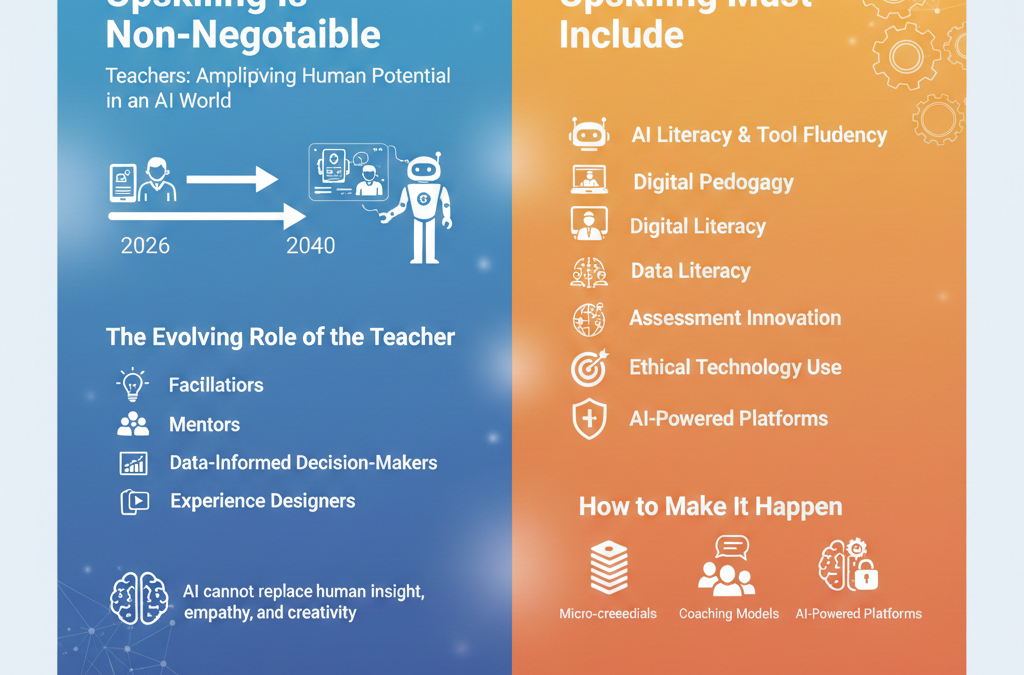
Teachers have always been the heart of education. But in 2026—and certainly by 2040—their role is transforming in ways we must actively prepare for.
The question is no longer if AI will reshape classrooms, but how well we equip educators to lead that change.
The Evolving Role of the Teacher
In an AI-ready school, teachers are no longer simply knowledge transmitters. They become:
Facilitators who guide personalized learning journeys
Mentors who nurture critical thinking and emotional intelligence
Data-informed decision-makers who interpret insights to support each student
Experience designers who craft meaningful, inquiry-driven learning environments
AI can handle adaptive content delivery, grading, and pattern recognition. But it cannot replace the human insight, empathy, and creativity that define great teaching. Teachers amplify what AI enables—but only when they understand how to work with these tools, not beneath them.
What Continuous Upskilling Must Include
Professional development can no longer be a once-a-year workshop. It must be embedded, personalized, and ongoing. Here’s what matters:
AI literacy and tool fluency. Teachers need hands-on experience with AI platforms—not just theory, but practical application in lesson planning, formative assessment, and student support.
Digital pedagogy. How do you design learning experiences that blend human interaction with intelligent systems? How do you maintain agency and creativity in AI-assisted environments?
Data literacy. Educators must interpret learning analytics, recognize algorithmic biases, and make ethical, student-centered decisions based on data insights.
Assessment innovation. Traditional testing is obsolete in an AI world. Teachers need new frameworks for evaluating creativity, collaboration, and problem-solving.
Ethical technology use. From privacy concerns to equity gaps, teachers must navigate the moral dimensions of AI in education with clarity and confidence.
How to Make It Happen
Micro-credentials offer flexible, stackable pathways for skill development. Coaching models—peer-to-peer or AI-supported—provide real-time feedback and sustained growth. AI-powered training platforms can personalize professional learning just as they personalize student learning.
The infrastructure exists. What’s needed is institutional commitment and cultural shift: treating teacher growth as strategic investment, not professional obligation.
The Bottom Line
When teachers grow, students thrive. Schools that prioritize educator upskilling don’t just adopt AI—they lead with it. They become innovation hubs, resilient to disruption and aligned with the demands of a future workforce we’re only beginning to understand.
The future of education isn’t about replacing teachers with technology. It’s about empowering teachers to do what only humans can—while leveraging AI to do what it does best.
The choice is ours. The time is now.
What would you add? How is your school investing in teacher growth? Let’s discuss in the comments.