Uncategorized
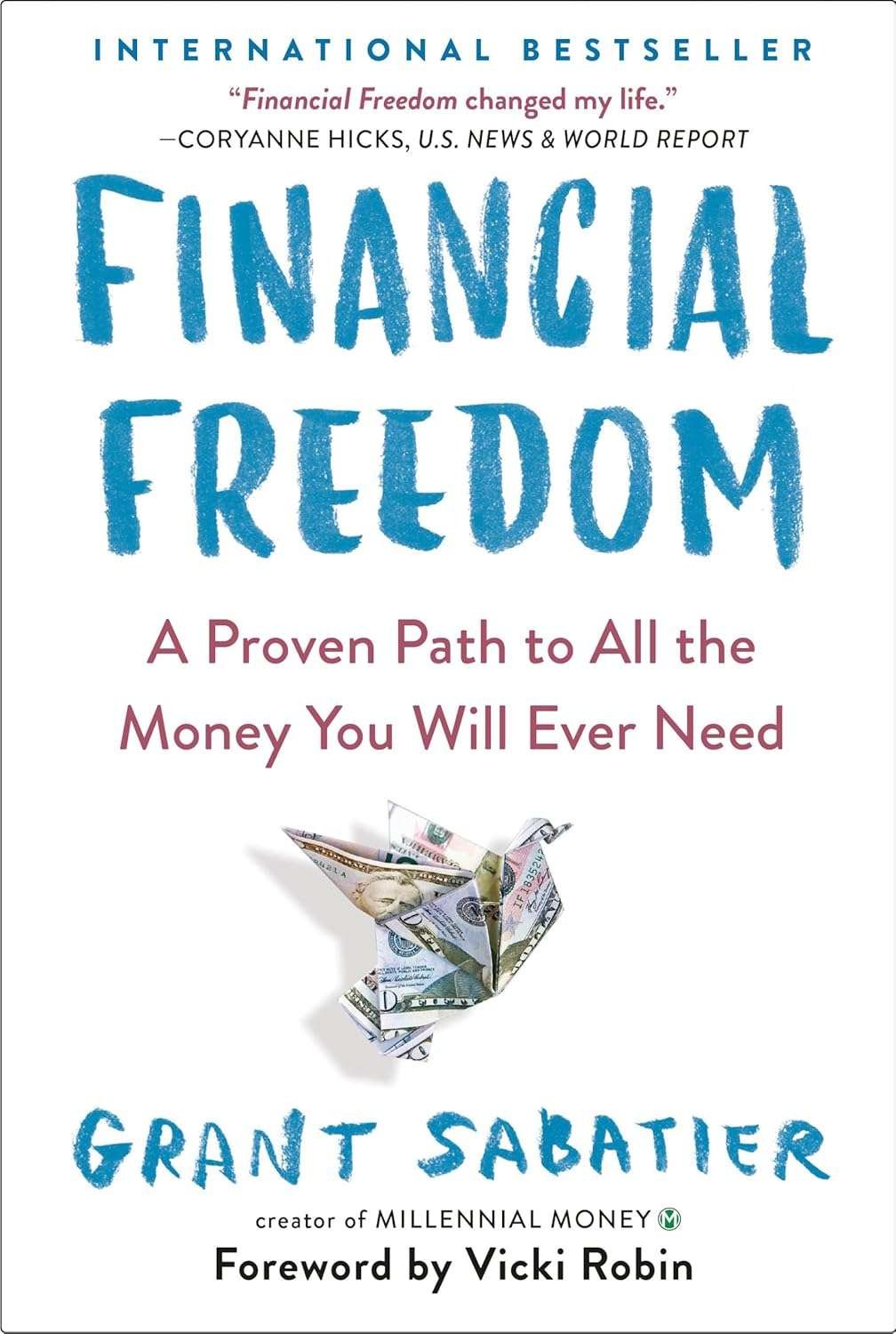
“Financial Freedom: A Proven Path to All the Money You Will Ever Need” by Grant Sabatier is a practical and motivational guide to achieving financial independence as quickly as possible. Sabatier shares how he went from broke to millionaire in 5 years, and lays out a blueprint anyone can follow — focusing on earning more, spending less, and investing wisely.
Buy the book here: https://amzn.to/3Yxrv8b
Key Takeaways:
1. Money = Freedom
- The ultimate goal isn’t money — it’s time and freedom.
- Financial freedom gives you the ability to live life on your own terms, without relying on a job.
2. Know Your Number
- Calculate how much money you need to never have to work again (your FI number).
- This is based on your current and projected future expenses — not just some arbitrary retirement age.
3. Time Is More Valuable Than Money
- Every dollar you spend today costs you time in the future.
- Learn to value your time per hour and use that as a guide when spending money or choosing how to earn.
4. Increase Your Income
- You can’t just save your way to financial freedom — you need to earn more.
- Start side hustles, freelance, learn in-demand skills, and invest in yourself.
- Focus on high ROI activities like improving your skills or building digital businesses.
5. Save Aggressively
- Aim to save 50% or more of your income to drastically reduce your time to financial independence.
- Cut unnecessary expenses, automate savings, and question every purchase.
6. Invest Early and Often
- Start investing as soon as possible — time in the market is key.
- Use low-cost index funds and compound interest to build long-term wealth.
- Sabatier is a fan of simple, passive investing (e.g., Vanguard ETFs, real estate).
7. Escape the 9–5 Mindset
- You don’t have to wait until retirement to enjoy life.
- Design your life with freedom, meaning, and purpose in mind now.
- Use money as a tool to support your ideal lifestyle, not the other way around.
8. Your Path, Your Pace
- There’s no single formula — your version of financial freedom may look different.
- Whether it takes 3, 7, or 15 years, what matters is progress toward freedom.
Core Message:
“You can buy freedom. It just takes time and intentional choices.”
Sabatier’s book is both inspirational and actionable — perfect if you’re ready to break free from paycheck-to-paycheck living and design a life centered on freedom, flexibility, and fulfillment.
Buy the book here: https://amzn.to/3Yxrv8b
Uncategorized
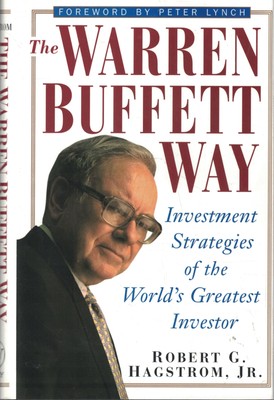
“The Warren Buffett Way” by Robert G. Hagstrom explores the investment strategies, principles, and mindset that made Warren Buffett one of the most successful investors in history. The book breaks down Buffett’s approach to picking stocks, managing risk, and thinking long-term — based on value investing principles inspired by Benjamin Graham.
Key Takeaways:
1. Invest in Businesses, Not Stocks
- Buffett sees stocks as pieces of real businesses, not just numbers on a screen.
- He buys companies with the intention of owning them forever — not for quick trades.
2. Focus on Long-Term Value
- Look for undervalued companies with strong fundamentals, not flashy trends.
- Measure value by comparing intrinsic value (true worth) to market price.
3. Stick to Your Circle of Competence
- Only invest in businesses you understand deeply.
- Buffett avoids tech stocks (historically) not because they’re bad, but because they were outside his expertise.
4. Look for Competitive Advantages (Moats)
Buffett seeks companies with durable advantages:
- Strong brand
- Cost advantages
- Network effects
- High switching costs
- Examples: Coca-Cola, Apple, American Express
5. Management Matters
- Invest in companies run by honest, skilled, and shareholder-friendly managers.
- Buffett values CEOs who act in the long-term interests of the business.
6. Financial Discipline
Buffett studies a company’s:
- Earnings consistency
- Return on equity
- Debt levels
- Profit margins
7. Patience and Discipline
- Buffett waits for the right opportunity — often sitting on cash for long periods.
- He believes in being fearful when others are greedy, and greedy when others are fearful.
8. Avoid Market Noise
- Ignore daily market fluctuations and media hype.
- Focus on the underlying value of businesses, not short-term trends.
Buffett’s Investment Checklist (Simplified):
- Is the business understandable?
- Does it have a consistent operating history?
- Does it have favorable long-term prospects?
- Is management capable and honest?
- Is the company conservatively financed?
- Is the stock selling at a fair or discounted price?
Core Philosophy:
“Price is what you pay. Value is what you get.” — Warren Buffett
Buffett’s strategy is about rational thinking, long-term focus, and value-based decisions — not hype, trends, or emotions.
Buy the book here : https://amzn.to/4jok9Me
Uncategorized
“Think and Grow Rich” by Napoleon Hill is a classic personal development and wealth-building book, first published in 1937. It’s based on Hill’s 25 years of study of successful individuals, including Andrew Carnegie, Henry Ford, and Thomas Edison. The book teaches that success starts with a burning desire, faith, and persistence, and that thoughts are truly powerful when paired with clear goals and action.
Key Takeaways & Principles:
1. Desire – The Starting Point of All Achievement
- You must want success and wealth intensely.
- Define exactly how much money you want and what you will give in return.
- Write down your goal, read it aloud daily.
2. Faith – Visualization and Belief
- Believe in your goal as if it’s already yours.
- Use affirmations and visualization to program your subconscious.
3. Autosuggestion – Repeating Your Goals
- Feed your subconscious mind with your goals through repeated affirmations.
- The more you repeat, the more your mind accepts them as reality.
4. Specialized Knowledge
- General education isn’t enough; focus on learning specific skills related to your goals.
- Constant self-education is key.
5. Imagination – The Workshop of the Mind
- All ideas start in the imagination.
- Use creative and synthetic imagination to solve problems and generate wealth.
6. Organized Planning
- Create a step-by-step plan for reaching your goal.
- Take action immediately, even if the plan is not perfect.
7. Decision – Mastery Over Procrastination
- Successful people make decisions quickly and change them slowly.
- Indecision breeds fear and failure.
8. Persistence – Keep Going Despite Failure
- The majority quit when faced with temporary defeat.
- Persistence often separates success from failure.
9. The Mastermind – Surround Yourself with Smart People
- A group of like-minded individuals working in harmony can help you grow exponentially.
10. The Subconscious Mind
- Your thoughts, beliefs, and emotions influence your subconscious.
- Keep feeding it positive thoughts tied to your goals.
11. The Brain – A Broadcasting System
- Thoughts are energy; they attract similar energy.
- Think positively, and you’ll attract positive people and opportunities.
12. The Sixth Sense – Intuition
- After mastering all principles, your intuition becomes a guide.
- It offers insights that come from deep within, often unexpectedly.
Core Message:
“Whatever the mind can conceive and believe, it can achieve.”
Success starts in the mind — through desire, belief, and focused effort. Wealth is not just about money; it’s about mastering your thoughts and turning ideas into reality.
Think and Grow Rich: Buy here

Uncategorized
“Secrets of the Millionaire Mind” by T. Harv Eker is a personal finance and mindset book that explores how our beliefs and mental programming shape our financial success. The core idea is: “Rich people think differently than poor and middle-class people.”
Summary of Key Concepts:
1. Your Money Blueprint
- Everyone has a “money blueprint” — a subconscious set of beliefs and habits about money learned from childhood.
- If your blueprint is negative or limiting, you’ll unconsciously sabotage your financial success.
- To change your financial life, you must identify and rewrite your money blueprint.
2. 17 Wealth Files (Differences Between Rich & Poor Thinking)
These are mindset shifts that differentiate wealthy individuals from others. A few examples:
- Rich people believe “I create my life”; poor people believe “Life happens to me.”
- Rich people focus on opportunities; poor people focus on obstacles.
- Rich people associate with successful people; poor people associate with negative or unsuccessful people.
- Rich people are willing to promote themselves and their value; poor people think negatively about selling and promotion.
3. The Power of Mindset and Action
- Success comes from a combination of mindset and action.
- Affirmations, declarations, and consistent habits help reprogram your subconscious mind.
- Money is a result, not a cause — changing the root (your beliefs) will change the fruit (your results).
4. Money Management System
Eker emphasizes managing money wisely, no matter how much you earn:
- Divide income into specific jars/accounts:
- 10% Financial Freedom
- 10% Long-term Savings for Spending
- 10% Education
- 10% Play
- 50% Necessities
- 10% Give
5. Be Bigger Than Your Problems
- The size of your success is determined by the size of the problems you’re willing to handle.
- Rich people grow to become bigger than their problems instead of avoiding them.
Buy The book here
https://amzn.to/42RmkS7
Takeaway:
To become wealthy, you must change your inner mindset about money and success. Adopt the mental habits and beliefs of the rich, take consistent action, and manage money with discipline.
Let me know if you’d like a one-page summary or visual version.