Uncategorized
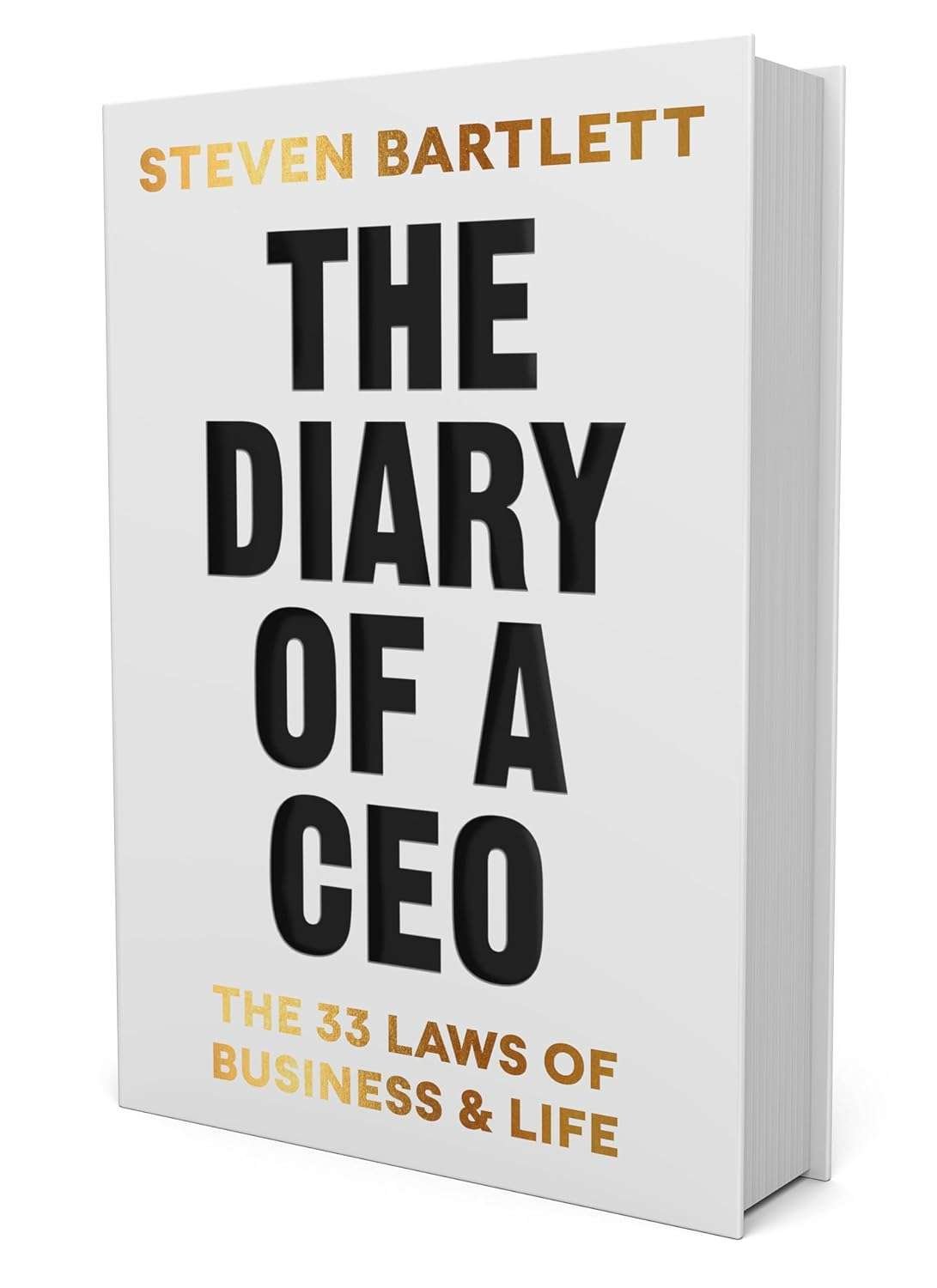
“The Diary of a CEO: The 33 Laws of Business and Life” by Steven Bartlett is a powerful blend of personal insights, psychological principles, and business wisdom drawn from Bartlett’s experience as a successful entrepreneur and host of one of the world’s top podcasts.
This book outlines 33 “laws” — actionable principles for building success, mastering yourself, and living a fulfilling life.
But here: https://amzn.to/44pM8a6
Core Theme:
Success is not just about business tactics — it’s about mastering yourself, your mindset, and your habits.
Key Laws & Lessons (Summarized):
1. The Law of Intentionality
- Don’t drift through life — be deliberate with your goals and choices.
2. The Law of Knowing What You Want
- Clarity is power. Define success on your own terms, not society’s.
3. The Law of Self-Mastery
- You can’t lead others if you can’t lead yourself.
- Self-awareness, discipline, and emotional control are vital.
4. The Law of Discipline
- Talent is nothing without consistency.
- Discipline creates freedom and results over the long term.
5. The Law of Hard Truths
- Face reality without ego. Feedback and failure are essential to growth.
6. The Law of Uncommon Effort
- Extraordinary success requires doing more than others are willing to do.
7. The Law of Belief
- You can’t outperform your self-image. Confidence is built through action and integrity.
8. The Law of Learning
- Be obsessively curious. The best leaders are lifelong learners.
9. The Law of Leverage
- Success scales when you use leverage: technology, capital, people, or media.
10. The Law of Relationships
- The people around you shape your destiny. Choose your circle intentionally.
11. The Law of Value Creation
- Focus on solving real problems and creating meaningful impact — money will follow.
12. The Law of Longevity
- Play the long game. Sustainable success is built over time with integrity.
Core Message:
“Success isn’t built in public. It’s built quietly, in the mind, in the dark, in the early mornings and late nights.”
Style & Tone:
- Raw, personal, and reflective.
- A mix of philosophy, psychology, and business strategy.
- Easy to digest, with clear takeaways from each “law.”
Bottom Line:
This book is not just for CEOs — it’s for anyone who wants to lead a more intentional, meaningful, and successful life. Whether you’re building a business or yourself, these 33 laws offer a blueprint for transformation.
But here: https://amzn.to/44pM8a6
? Book Summary:
In The Diary of a CEO, Steven Bartlett distills the lessons he’s learned from building multi-million-dollar companies and hosting one of the most popular podcasts in the world. The book outlines 33 “laws” that bridge the worlds of business, personal development, leadership, and mental clarity.
Each law is based on a core truth that, if understood and applied, can change the trajectory of your life and work. These laws aren’t theoretical — they’re deeply personal, practical, and drawn from Steven’s own experiences and failures.
Buy Now: https://amzn.to/44pM8a6
The book explores:
• How self-awareness is the foundation of success
• Why discipline beats motivation
• How identity shapes destiny
• The importance of building emotional resilience
• What truly makes a business thrive: people, purpose, and processes
________________________________________
? Best Quotes:
1. “Your direction is more important than your speed.”
? A reminder that clarity and intentionality beat hustle without purpose.
2. “Discipline will carry you when motivation won’t.”
? Motivation is fleeting, but habits and discipline sustain progress.
3. “You don’t get what you deserve in life. You get what you tolerate.”
? Set your standards high — in relationships, health, and business.
4. “If nothing changes, nothing changes.”
? Growth only happens when you make intentional shifts in your mindset or actions.
5. “The quality of your life is determined by the quality of the questions you ask yourself daily.”
? Self-reflection is a superpower.
________________________________________
? Inspiring Short Story from the Book:
One of the most touching stories is when Steven talks about dropping out of university, broke and with no direction, to pursue his vision for building a social media marketing company (Social Chain).
Everyone doubted him — including his own parents. He faced rejections, failed pitches, and near bankruptcy. But he kept moving, driven by a belief stronger than fear. His daily journaling (the origin of the book’s title) helped him align with his purpose and stay mentally grounded.
Eventually, Social Chain grew into a global success. But Steven admits the true win wasn’t the company’s growth — it was the transformation of the person he became by staying consistent with his vision, even when nobody else believed in it.
This story underpins one of the book’s biggest messages:
“Your life changes the moment you decide to stop living it for others.”
Buy Now: https://amzn.to/44pM8a6

Uncategorized
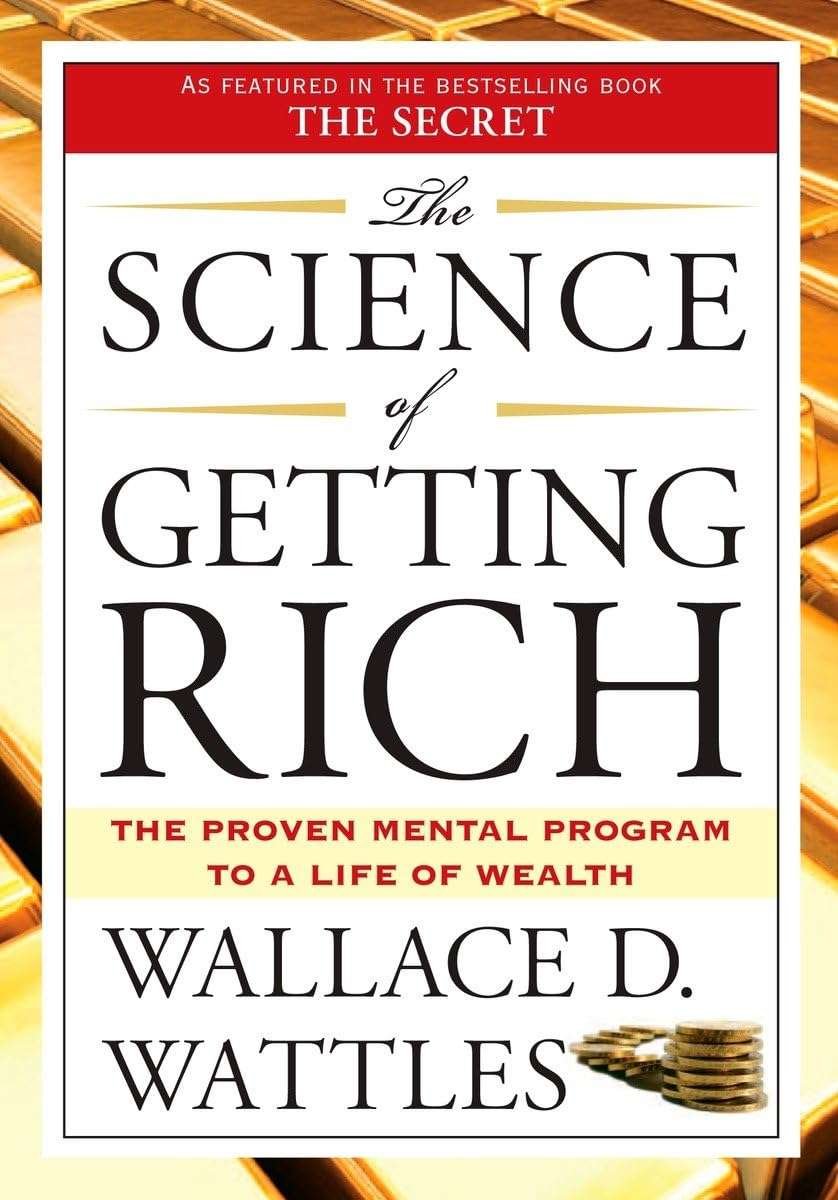
“The Science of Getting Rich” by Wallace D. Wattles is a classic personal development and prosperity book first published in 1910. It combines spiritual insights, mindset principles, and practical steps to help anyone attract wealth by aligning their thoughts and actions with the universal laws of abundance.
Core Idea:
“Getting rich is a scientific process — based on exact laws. If you do things in a certain way, you will become rich.”
Key Principles & Lessons:
1. There Is a Science to Getting Rich
- Like math or physics, getting rich follows universal laws.
- Anyone who learns and applies these laws in the “Certain Way” can become wealthy.
2. Thought Is the Starting Point
- Everything begins with a clear, definite vision.
- You must think about riches, not poverty.
- Hold your vision with faith, purpose, and gratitude.
3. There Is a Thinking Substance
- The universe is filled with a formless, intelligent substance.
- When you impress your thoughts onto this substance, it manifests your desires.
4. Desire Is Divine
- Wanting to be rich isn’t selfish — it’s natural.
- You can’t live a full, meaningful life without access to resources, and money provides that access.
5. Act in the “Certain Way”
- Think rich, speak rich, act rich — in alignment with your vision.
- Take consistent, effective action with what you have, where you are.
- Never wait for the “right time” — do the best you can with what you have now.
6. Gratitude Increases Abundance
- Be grateful in advance for the wealth you expect.
- Gratitude strengthens your connection with the universal substance and accelerates manifestation.
7. Don’t Compete — Create
- Avoid the scarcity mindset; there is plenty for everyone.
- Don’t take from others — create new value, expand the pie.
8. Riches Serve a Greater Purpose
- Getting rich isn’t just about luxury; it’s about expanding your life and helping others expand theirs.
- As you grow rich, you can serve humanity better.
Core Message:
“By thought, the thing you want is brought to you. By action, you receive it.”
Bottom Line:
You can become rich by thinking the right thoughts, maintaining faith and gratitude, and taking action in harmony with universal laws. Success is not luck — it’s a science anyone can master.

Uncategorized
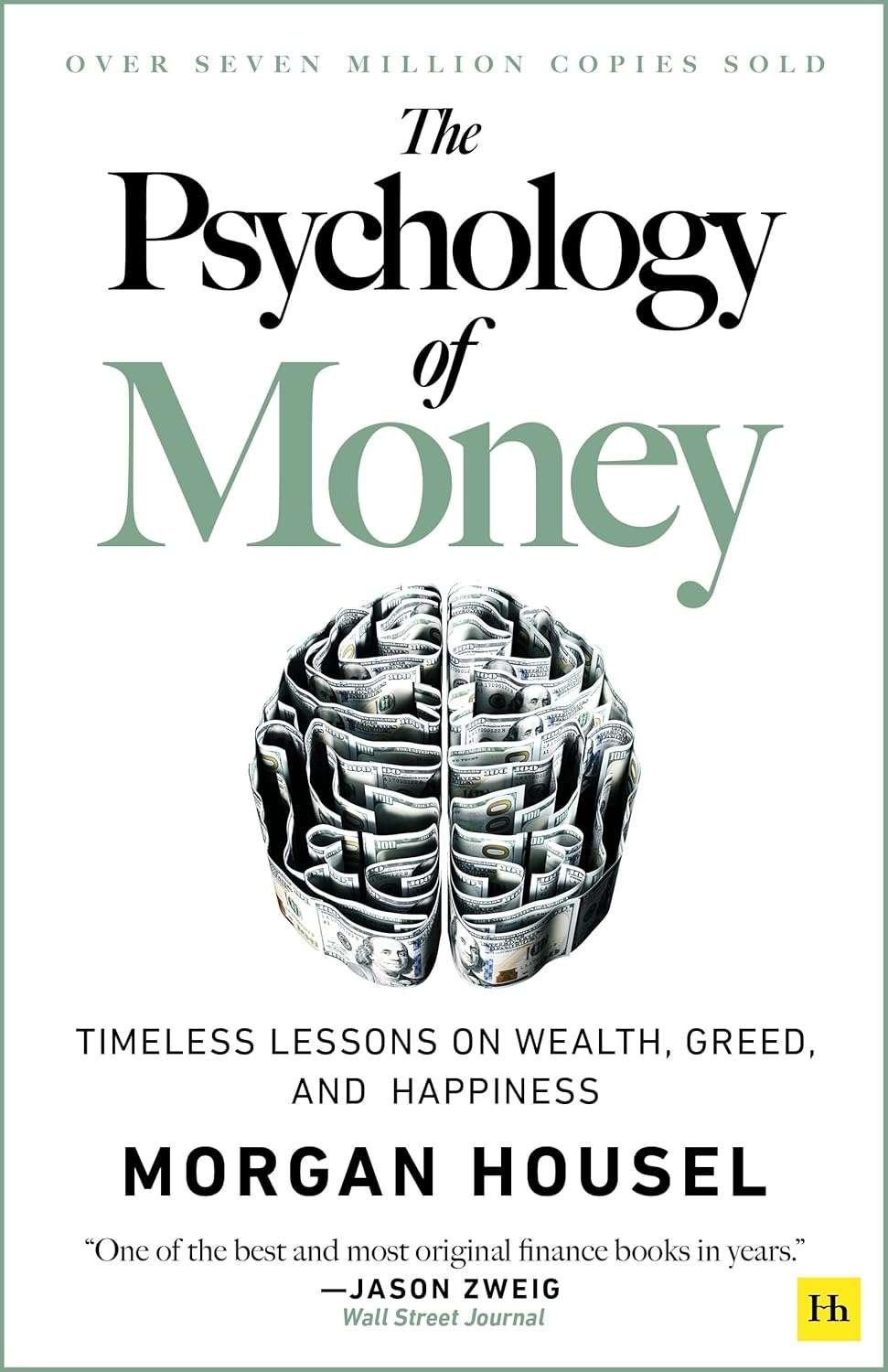
“The Psychology of Money: Timeless Lessons on Wealth, Greed, and Happiness” by Morgan Housel explores how our behaviors, emotions, and mindset shape our financial decisions more than raw knowledge or technical skill. It’s not a book about how money works — it’s about how people think and behave around money.
Buy now: https://amzn.to/43MgDa3

Core Idea:
“Doing well with money has little to do with how smart you are and a lot to do with how you behave.”
Key Lessons & Takeaways:
1. Wealth Is More About Behavior Than Intelligence
- Financial success depends more on patience, discipline, and emotional control than being a math genius.
- Being rational isn’t always necessary — being reasonable is more sustainable.
2. Everyone Has a Different Money Story
- People make financial decisions based on their personal experiences — even if they seem irrational.
- Your background shapes your money beliefs, risk tolerance, and goals.
3. Saving Is More Important Than Investing
- High savings rate gives you freedom and flexibility.
- You don’t need to earn a fortune if you can live below your means and save consistently.
4. Time and Compounding Matter More Than Timing
- Getting rich is about time in the market, not timing the market.
- Warren Buffett’s wealth comes from consistency and longevity, not just investing skill.
5. The Power of “Enough”
- Knowing what’s enough helps you avoid unnecessary risk and stress.
- Greed can destroy wealth faster than anything else.
6. Luck & Risk Play a Bigger Role Than We Admit
- Success is never purely merit-based — luck matters.
- Similarly, failure isn’t always a result of bad choices — risk is real.
7. Wealth Is What You Don’t See
- Real wealth is invisible — it’s the money not spent.
- Expensive things often reflect consumption, not financial health.
8. Freedom Is the Ultimate Goal
- The ability to do what you want, when you want is the true value of wealth.
- Time and control over your life are the biggest luxuries.
9. Reasonable > Rational
- You don’t need perfect logic; you need habits you can stick to — like saving, investing, and being patient.
10. Stay in the Game
- The most important financial goal: survive and stay in the game.
- Avoiding blow-ups (debt, over-leverage, gambling) is more important than chasing huge gains.
Core Message:
“Money success is not a hard science. It’s a soft skill, where how you behave is more important than what you know.”
Bottom Line:
The key to wealth isn’t knowledge or brilliance — it’s understanding your own psychology and making consistent, long-term decisions rooted in humility, patience, and perspective.
Buy now: https://amzn.to/43MgDa3

Uncategorized
“Coffee Can Investing: The Low-Risk Road to Stupendous Wealth” by Saurabh Mukherjea, Rakshit Ranjan, and Pranab Uniyal offers a simple, long-term investment strategy for building wealth with low risk and minimal effort. Inspired by an old American concept, the book introduces the “Coffee Can Portfolio” — a collection of high-quality stocks you buy and forget for at least 10 years.
r
Core Idea:
Buy high-quality companies and hold them for the long term — no matter what the market does.
The concept originates from an old practice where people would stash valuable items in a coffee can and forget about them for years — often to find them grown in value.
Key Takeaways:
1. Long-Term Holding Wins
- Frequent trading kills returns due to taxes, transaction fees, and emotional decisions.
- Holding well-selected stocks for 10+ years minimizes risk and maximizes returns.
2. Quality Over Timing
- You don’t need to time the market or pick trends.
- Focus on companies with consistent performance, strong management, and high ROCE (Return on Capital Employed).
3. Criteria for Coffee Can Stocks
- Companies with:
- Revenue growth > 10% CAGR over 10 years
- ROCE > 15% consistently
- These filters help you find clean, well-run, high-quality businesses.
4. Ignore Market Noise
- Don’t react to short-term market movements or news.
- Let your investments compound quietly in the background.
5. Simplicity Is Powerful
- You don’t need to be an expert or trade constantly.
- The Coffee Can approach is ideal for busy professionals or beginners who want reliable wealth creation with minimal monitoring.
6. Indian Market Focus
- The book primarily uses examples from Indian markets, but the principles apply globally.
- Companies like Asian Paints, HDFC Bank, Marico, and Nestlé are often used as case studies.
Core Message:
“The most effective investment strategy is not to trade more — but to trust more in the power of long-term compounding.”
Bottom Line: If you want to build serious wealth with minimal stress, create a Coffee Can Portfolio of fundamentally strong businesses — and just let it brew.