Uncategorized
? Book Summary
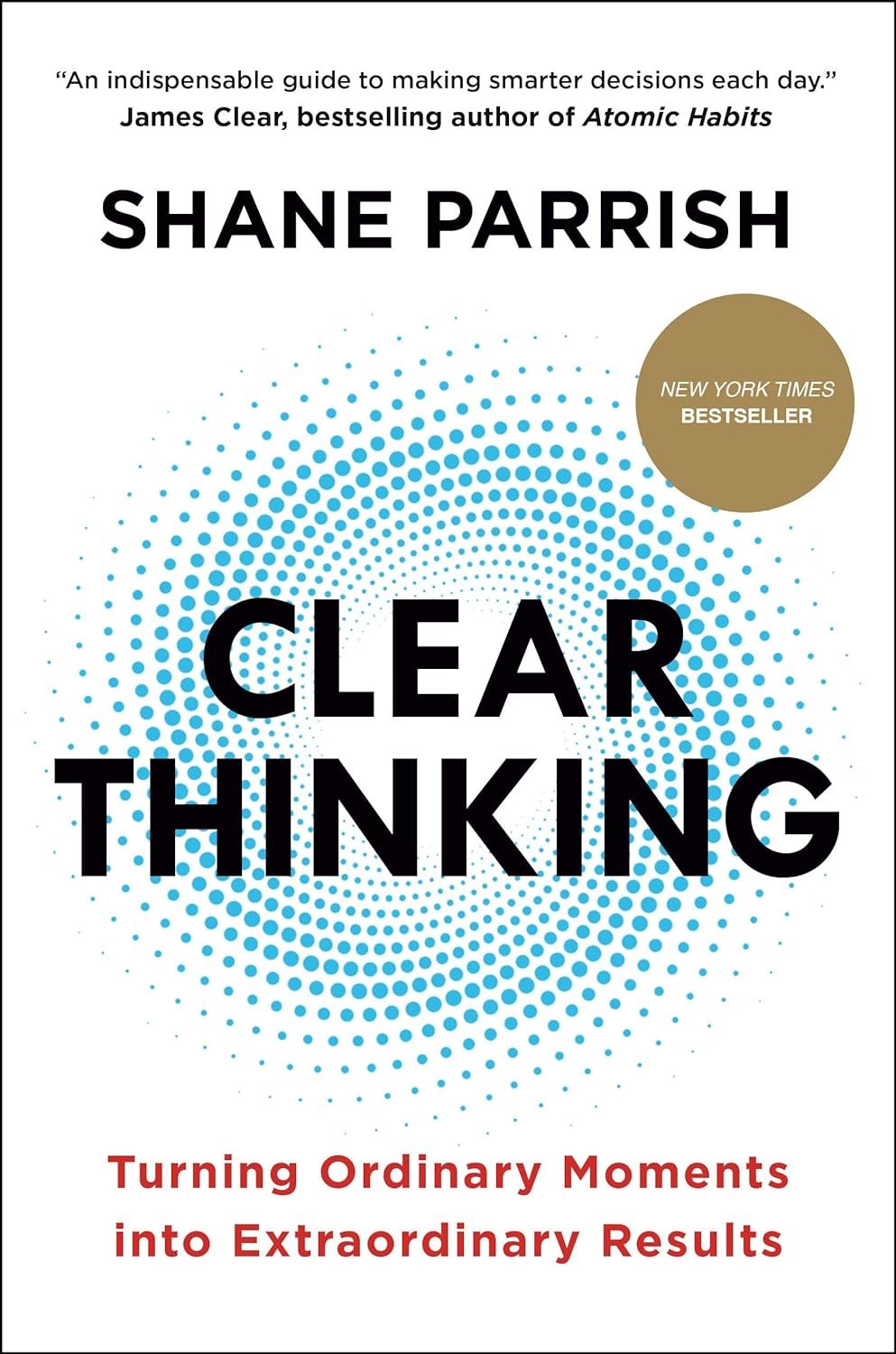
Shane Parrish’s Clear Thinking delves into the cognitive traps that hinder effective decision-making and offers strategies to overcome them. He identifies four primary “defaults” that cloud our judgment.
Get your copy here: https://amzn.to/4lxmXbN
1. Emotion Default: Reacting based on feelings rather than facts
2. Ego Default: Prioritizing self-image over optimal outcomes
3. Social Default: Conforming to group norms instead of thinking independently
4. Inertia Default: Resisting change and clinging to the familiar. To counteract these defaults, Parrish emphasizes cultivating four key strengths.
• Self-Accountability: Taking responsibility for one’s actions and decisions
• Self-Knowledge: Understanding one’s strengths, weaknesses, and biases
• Self-Control: Managing impulses and emotions to respond thoughtfully
• Self-Confidence: Trusting in one’s abilities and judgments By developing these attributes, individuals can navigate challenges more effectively and make decisions that align with their long-term goals.
________________________________________
? Book Review
Clear Thinking has garnered positive reviews for its practical insights into decision-making. Readers appreciate Parrish’s ability to distill complex cognitive concepts into actionable advice. The book is praised for its clarity, relevance, and applicability across various aspects of life, from personal growth to professional development. Notably, James Clear, author of Atomic Habits, describes it as “an indispensable guide to making smarter decisions each day”.
Get your copy here: https://amzn.to/4lxmXbN
________________________________________
? Inspiring Story
While Clear Thinking doesn’t center around a single narrative, it incorporates numerous real-life examples to illustrate its principles For instance, Parrish discusses how leaders like General George C. Marshall emphasized understanding problems at their source, often by visiting front lines or consulting trusted individuals This approach underscores the importance of firsthand information and deliberate analysis in effective decision-making.
________________________________________
? Notable Quotes
Here are some impactful quotes from Clear Thinking:
• “What happens in ordinary moments determines your future.”
• “Results are a function of position. You don’t need to be smarter than others to outperform them if you can out-position them.”
• “It’s only after we accept reality that we can attempt to change t.”
• “Self-accountability means taking responsibility for your abilities, your inabilities, and your actions.”
• “Our desire to feel right overpowers our desire to be right.”
Get your copy here: https://amzn.to/4lxmXbN
Uncategorized
Book Review
Rating: (5/5)
Tone: Bold, practical, inspiring
Audience: Entrepreneurs, aspiring leaders, and anyone who wants to think several steps ahead in life and business.
Buy here: https://amzn.to/4lv1VKQ
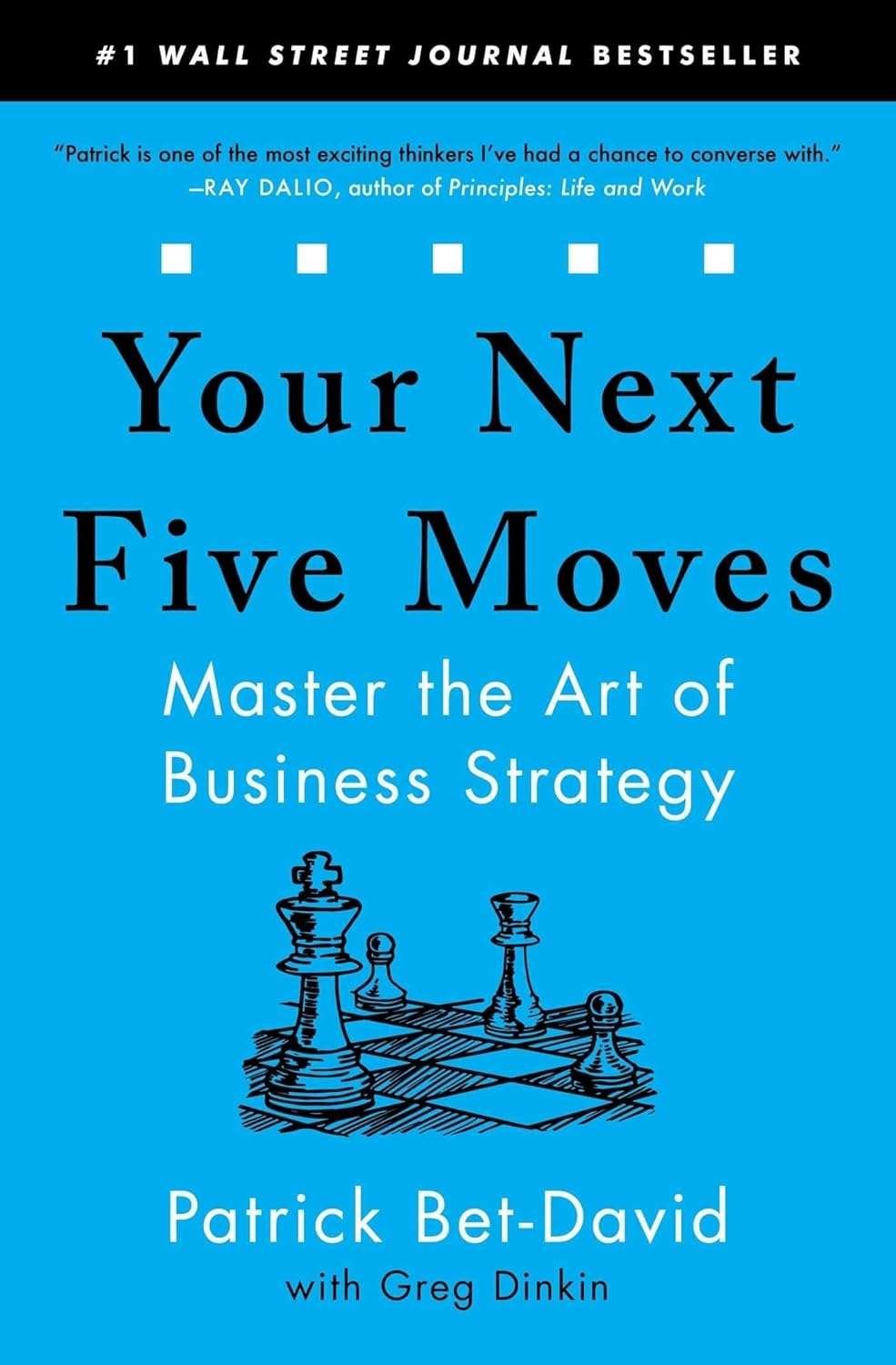
“Your Next Five Moves” is not your typical business book. Patrick Bet-David, an entrepreneur and founder of Valuetainment, writes with fire and clarity. He challenges readers to approach life and business like a grandmaster plays chess—always thinking five moves ahead. Each move represents a level of strategy, self-mastery, and vision.
This book is part autobiography, part masterclass in decision-making, and all about clarity, confidence, and calculated action. It stands out because it asks the deeper questions: Who are you? What do you want? What’s your game plan?
You’ll walk away not just with business insights—but with tools to completely reshape your mindset and approach to leadership.
Summary of the Five Strategic Moves
Move #1: Know Yourself
Clarity is power.
This move is about radical self-awareness. Before building an empire, build a blueprint of your own identity, values, fears, desires, and contradictions. Patrick forces you to ask hard questions like:
- Who do I want to be?
- What drives me?
- What am I willing to suffer for?
Deep Insight:
Most failures are not from lack of effort, but from lack of clarity. You can’t dominate your field if you don’t know your lane.
Move #2: Reason Strategically
A chess player doesn’t just make moves. They make moves based on likely responses.
Learn to see multiple outcomes. Develop mental models. Start thinking in sequences—what happens after this decision, and then what?
Deep Insight:
Strategic thinkers are not reactive—they are proactive pattern recognizers. They see the ripple effect of decisions before making them.
Move #3: Build the Right Team
Don’t just hire for skill. Hire for hunger and alignment.
You’re only as strong as your team. Patrick shows you how to assess people fast, identify culture fits, and build loyalty. He also covers firing and leadership dynamics without fluff.
Deep Insight:
Leadership is not about being liked—it’s about creating an environment where people win together.
Move #4: Master Strategic Scaling
Scale requires systems, leverage, and boldness.
Learn how to go from a small operator to a big player. This move dives into business models, sales structures, marketing systems, and how to escape the trap of doing everything yourself.
Deep Insight:
Growth is about letting go of control and building machines that work without you.
Move #5: Master Power Plays
In business, power isn’t evil. It’s a necessity.
This is where things get real. Patrick covers negotiation, influence, handling enemies, and making decisive moves under pressure. He shares personal battles and how calculated moves saved or scaled his business.
Deep Insight:
The highest level of the game is mastering perception, timing, and leverage. You must become a tactician and a storyteller.
Favorite Quotes
- “The most important question you will ever ask yourself is, ‘Who do I want to be?’”
- “Entrepreneurship is a philosophy of rebellion.”
- “The clearer your vision, the fewer distractions you’ll entertain.”
- “Strategy is thinking about what you want to accomplish and how to make it happen.”
- “The world rewards the person who communicates their vision with bold clarity.”
How This Book Can Help You,
Since you’re managing multiple software products, exploring marketing strategies, and growing a YouTube channel, here’s how each move aligns with your journey:
- Move 1: Define the kind of entrepreneur you want to be. Is it product-focused? Influence-focused? Or a hybrid?
- Move 2: Map out your marketing funnel and software scaling with “next five move” logic.
- Move 3: Start building a small team (even if remote) to handle marketing, sales, support.
- Move 4: Prepare Spark-Ed, WaitWise, and PowerPOS for scaling with subscription models, demos, and automated pipelines.
- Move 5: Make bold plays (like AppSumo launches, affiliate programs, YouTube automation) that leapfrog you into visibility.
Buy here: https://amzn.to/4lv1VKQ
Uncategorized
Book Review
Rating: (4.9/5)
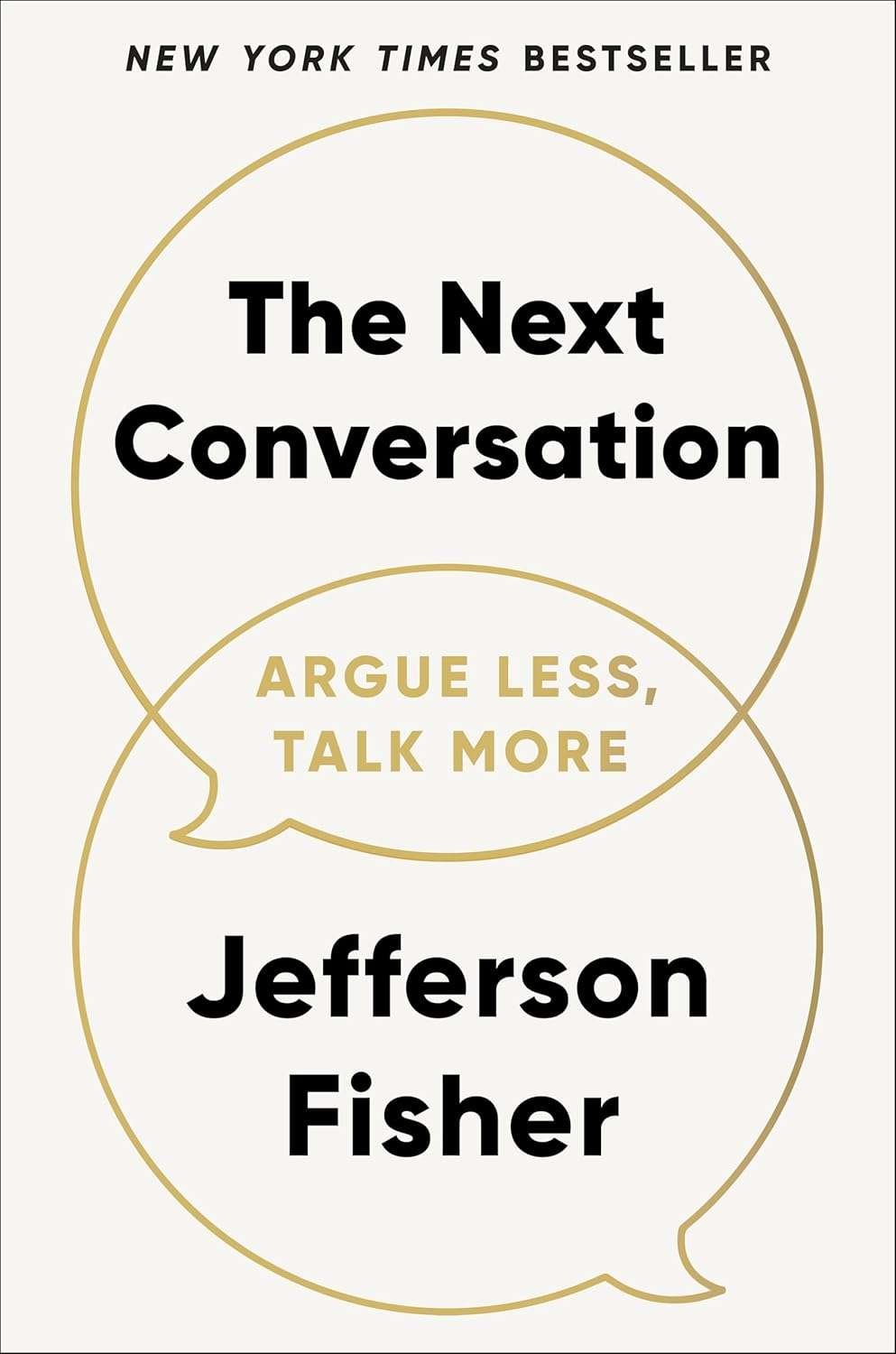
Jefferson Fisher, a seasoned trial lawyer and social media communicator, presents a transformative guide to effective communication in The Next Conversation Drawing from his legal experience and viral online presence, Fisher offers a practical framework to navigate conversations with empathy, clarity, and confidence His three-part system—Say it with control, Say it with confidence, Say it to connect—serves as the backbone of the book, providing readers with actionable strategies to foster understanding over conflict The book stands out for its relatable anecdotes, real-world applications, and emphasis on emotional intelligence, making it a valuable resource for anyone seeking to enhance their interpersonal skills.
Buy here: https://amzn.to/4cvlJtz
Summary of Key Concepts
- The Three-Part Communication Framework
- Say it with Control Manage emotional responses to maintain composure during discussion.
- Say it with Confidence Express thoughts assertively without aggression.
- Say it to Connect Prioritize understanding and empathy to build meaningful connection.
- Reafframing Conversations
Shift the goal from “winning” arguments to fostering mutual understanding. This approach encourages collaborative dialogue and reduces defensiveness.
- The Power of Pausing
Utilize strategic pauses to reflect, de-escalate tension, and allow space for thoughtful response.
- Setting Boundaries
Establish clear communication boundaries to protect emotional well-being and ensure respectful interaction.
- Active Listening
Engage in genuine listening by focusing fully on the speaker, which enhances trust and clarity in conversation.
Notable Quotes
- “Come into an argument with something to learn instead of something to prov.”
- “Winning an argument often leads to resentment, while resolving one builds mutual respect.”
- “Your every word matters, and by controlling how you communicate every day, you will create waves of positive impact that will resonate throughout your relationships to last a lifetime.”
Who Should Read This Book?
The Next Conversation is ideal or:
- Professionals aiming to improve workplace communication.
- Individuals seeking to enhance personal relationships.
- Anyone interested in developing emotional intelligence and conflict resolution skills.
Buy here: https://amzn.to/4cvlJtz

Uncategorized
Book Review
Rating: (5/5)
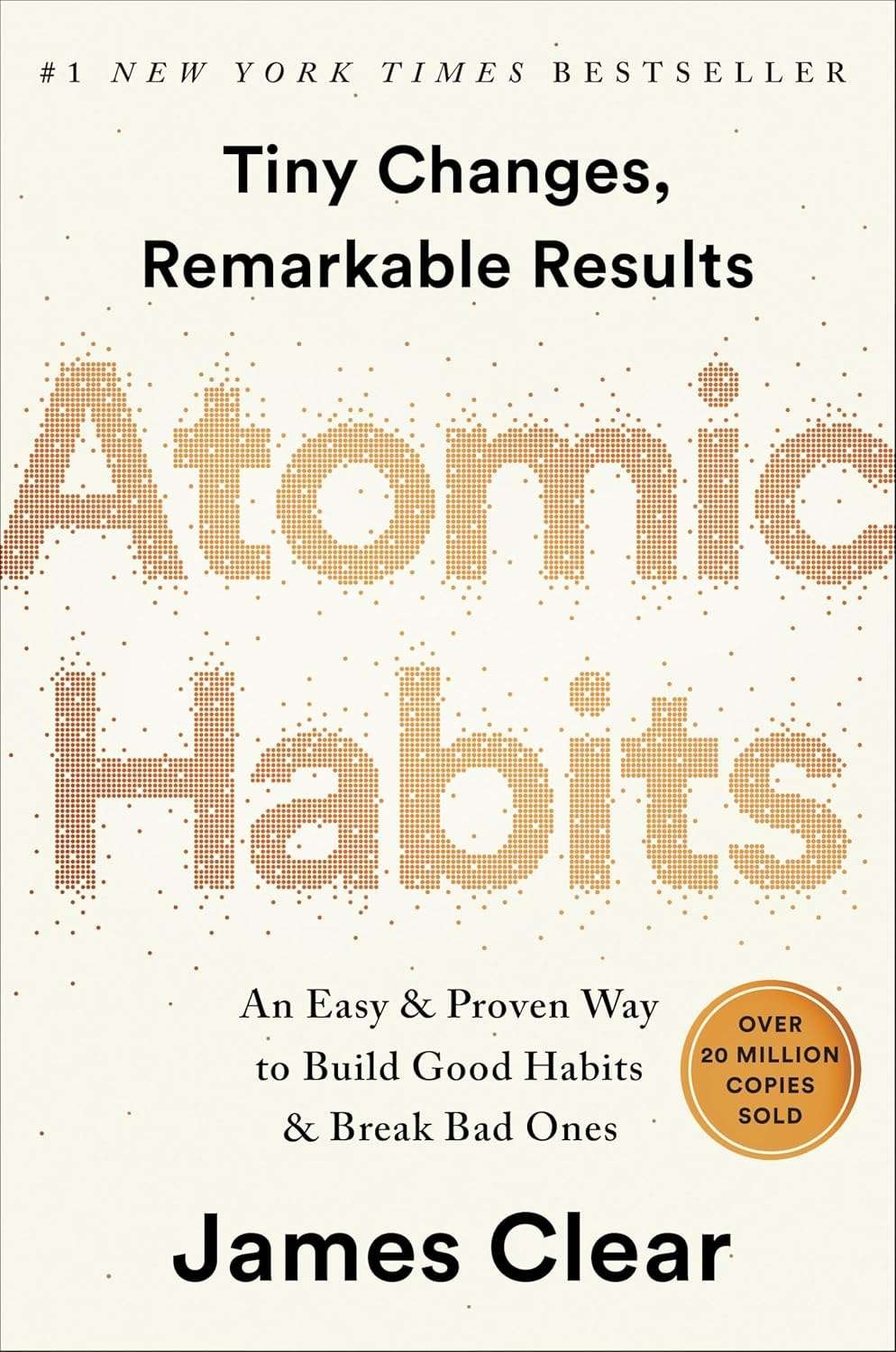
“Atomic Habits” is a powerful and practical guide to creating positive behavioral changes. James Clear simplifies complex psychology into actionable strategies that readers can apply instantly. The brilliance of the book lies in how it breaks down habit formation into small, “atomic” steps—proving that real change comes from making tiny improvements consistently over time.
It’s highly readable, engaging, and full of real-world examples. Whether you’re looking to get fit, be more productive, or improve any area of life, this book offers a clear roadmap. A must-read for anyone interested in personal development, performance, and lasting change.
Buy Here: https://amzn.to/4ic7RFJ
Summary of Key Ideas
Main Premise:
Small habits, when repeated consistently over time, lead to remarkable results. It’s not about massive change—it’s about 1% better every day.
The Habit Loop
Every habit follows a four-stage cycle:
- Cue – triggers the brain to initiate a behavior
- Craving – motivation behind the behavior
- Response – the actual habit or behavior
- Reward – the end goal that satisfies the craving
The Four Laws of Behavior Change
To build good habits:
- Make it Obvious (Cue)
- Make it Attractive (Craving)
- Make it Easy (Response)
- Make it Satisfying (Reward)
To break bad habits, invert these:
- Make it Invisible
- Make it Unattractive
- Make it Difficult
- Make it Unsatisfying
Other Key Concepts
– Identity-Based Habits: Focus on who you want to become, not just what you want to achieve.
– “I’m the kind of person who never misses a workout.”
– The Power of Tiny Gains: 1% better every day leads to massive improvement over time.
– Environment Design: Shape your surroundings to make good habits easier and bad habits harder.
– Habit Stacking: Pair a new habit with an existing one:
– “After I brush my teeth, I’ll meditate for 2 minutes.”
– The Plateau of Latent Potential: Results aren’t immediate—success compounds like interest.
Top Quotes from Atomic Habits
- “You do not rise to the level of your goals. You fall to the level of your systems.”
- “Every action you take is a vote for the type of person you wish to become.”
- “Habits are the compound interest of self-improvement.”
- “Success is the product of daily habits—not once-in-a-lifetime transformations.”
- “Be the designer of your world and not merely the consumer of it.”
- “The most practical way to change who you are is to change what you do.”
- “Small changes often appear to make no difference until you cross a critical threshold.”
- “The more you repeat a behavior, the more you reinforce the identity associated with that behavior.”
- “The best way to break a bad habit is to make it impractical to do.”
- “True behavior change is identity change.”
Buy Here: https://amzn.to/4ic7RFJ