
|
Getting your Trinity Audio player ready...
|
The first reports of protests in Iran emerged on December 31, 2025. Initially, the situation appeared calm, with normal daily activity in major cities. Local guides and residents reassured visitors that such protests were not uncommon, typically recurring every six months, and that foreign visitors were generally not affected. Early reports indicated that local traders were beginning to strike and close shops, but there were no signs of widespread unrest at the time.
In the following days, the situation escalated rapidly. Demonstrations spread across multiple cities, and media outlets began reporting violent clashes. Despite alarming news coverage, some areas remained relatively unaffected initially, allowing citizens and visitors to move safely.
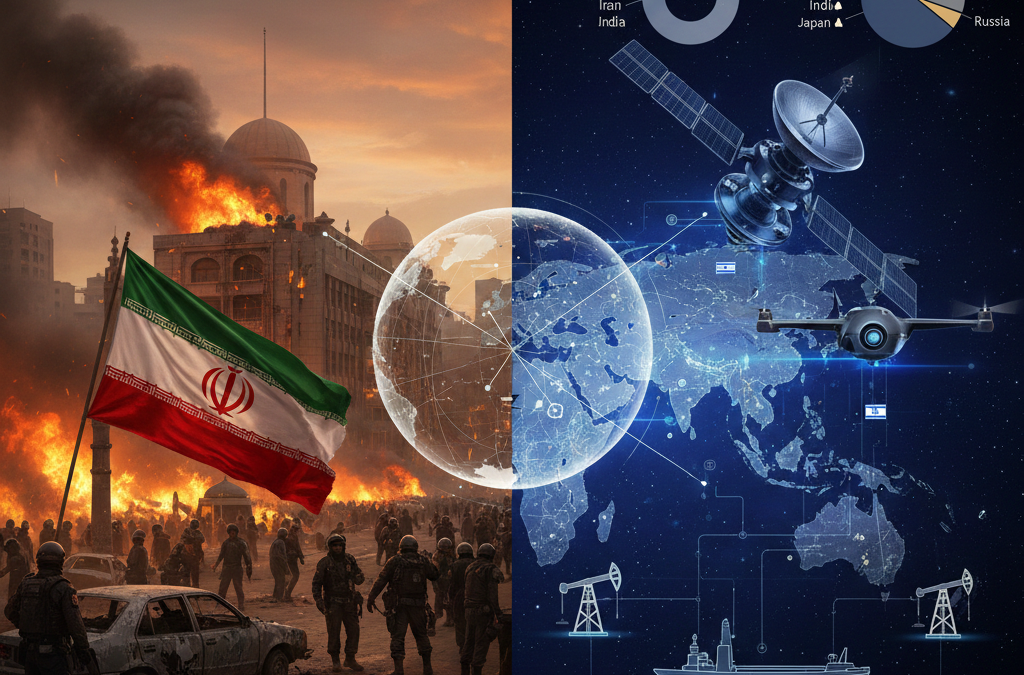
However, as unrest intensified, the protests quickly turned into large-scale disturbances across the country. Reports indicated that over 400 cities experienced significant unrest, with thousands of people injured or killed. Numerous government buildings, banks, vehicles, and places of worship were damaged or destroyed.
The regional instability drew international attention. The United States and Israel appeared to support demonstrators, with the U.S. threatening direct military intervention. Neighboring countries and Gulf states also took precautionary measures, deploying military assets to nearby areas. Analysts speculated about potential disruptions to communication networks, targeted attacks on leadership, and broader strategic interventions.
Underlying these tensions is the global importance of oil. Iran is among the world’s largest oil reserve holders, alongside Venezuela, Saudi Arabia, Canada, and Russia. Oil-producing nations hold the keys to energy security, while major consumers such as the U.S., China, India, and Japan rely heavily on these resources. Control over oil reserves has historically influenced economic power, geopolitical strategy, and military planning.
The strategic significance of Iran extends beyond oil. Global powers are investing heavily in space technologies, satellite networks, and advanced defense systems. Space-based capabilities can disrupt communications, track targets, and neutralize threats without traditional military engagement. Analysts argue that control over energy resources and space infrastructure will shape global influence in the coming decade.
In this broader context, current conflicts in Iran are seen not only as internal political unrest but as a focal point in the global competition for energy and technological dominance. Experts caution that the next several years will be critical for determining the balance of power, with countries investing in both energy security and space-based systems to secure long-term strategic advantages.
Ultimately, the events in Iran reflect complex intersections of domestic unrest, resource geopolitics, and emerging global technologies. Observers worldwide continue to monitor the situation, recognizing its potential impact on regional stability and the global economy.